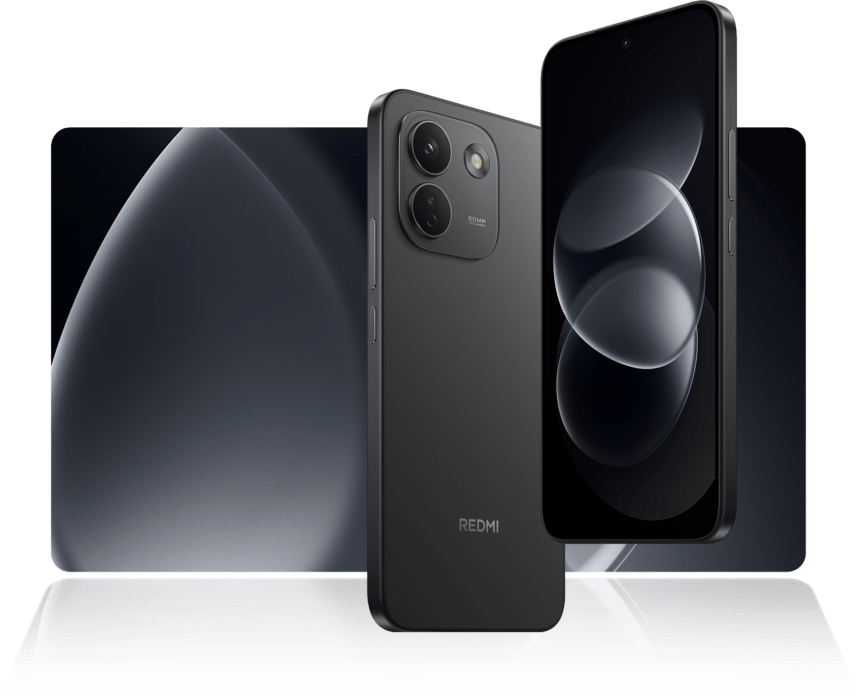
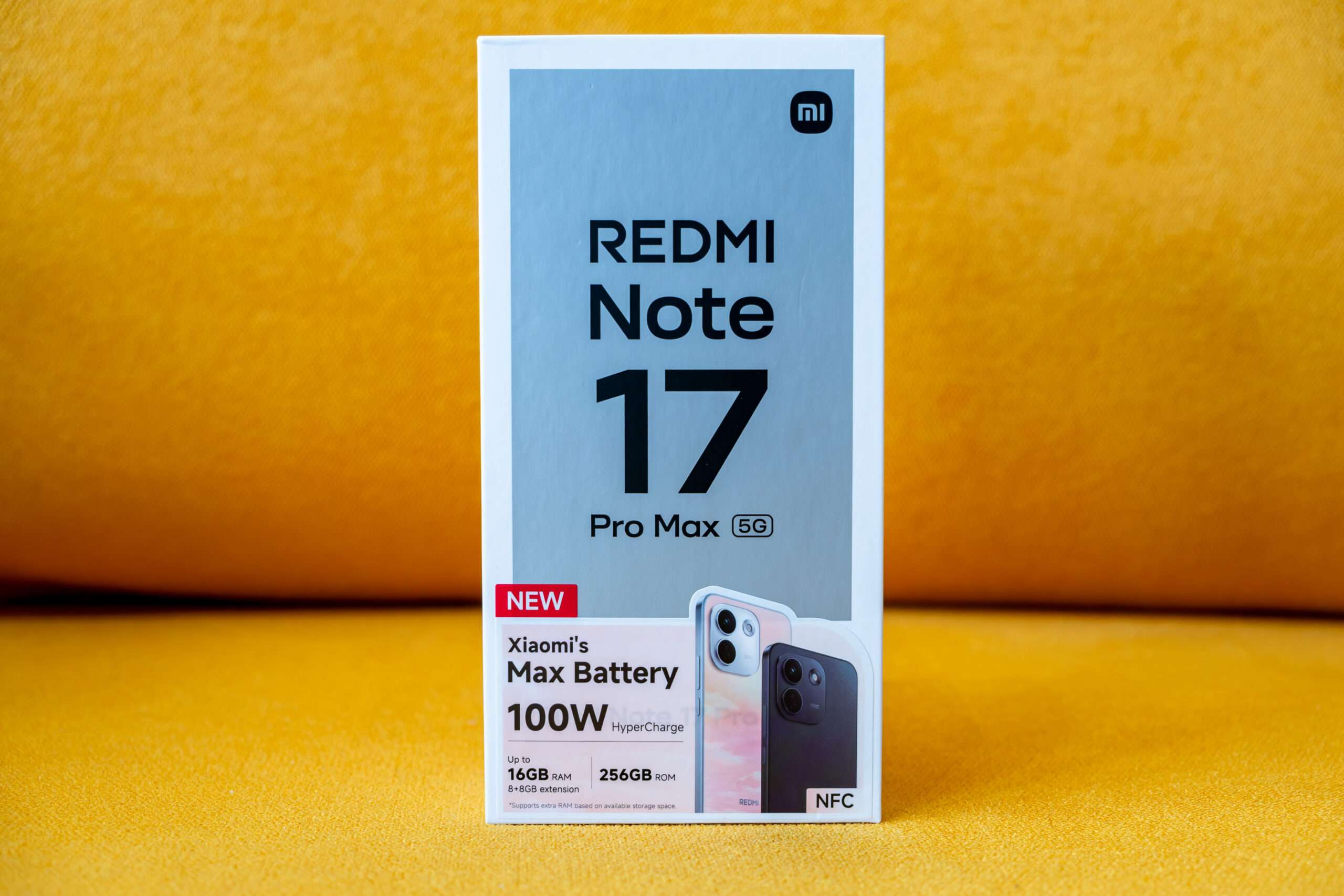
The REDMI Note 17 Pro Max 5G is Xiaomi’s new high-end REDMI Note model for 2026. Rather than trying to compete directly with flagship smartphones, Xiaomi has focused on battery capacity, durability, display quality and charging speed. The biggest highlight is undoubtedly its 10,000mAh silicon-carbon battery, combined with 100W HyperCharge. It also features a large 6.83-inch 1.5K AMOLED display, Snapdragon 6 Gen 5 processor, up to 12GB RAM, UFS 4.1 storage, and IP69K protection.
- Phone Specifications
- Qualcomm Snapdragon 6 Gen 5
- History of Qualcomm Snapdragon 6 Gen 5 rebrands
- The interesting part: Snapdragon 6s Gen 3
- Redmi Note 17 Pro Max 5G – 10,000mAh Silicon-Carbon Battery Design
- How the battery is designed
- Main Camera Daylight – Photoshooting Indoor
- Main Camera Night – Photoshooting Food & Indoor
- Main Camera Daylight – Photoshooting Outdoor
- Main Camera Night – Photoshooting Outdoor
- Secondary Camera Wide – Photoshooting Outdoor
- Video Recording: 4K OIS
- Benchmark
- 3Dmark Advanced Edition
- PCMark for Android
- AnTuTu AI Benchmark
- AnTuTu Benchmark
- GeekBench
- Should you buy Redmi Note 17 Pro Max 5G?
- REDMI Note 17 Pro Max 5G
- Pros
- Cons
Phone Specifications
| Display | 6.83-inch 1.5K AMOLED, 120Hz refresh rate, 68B colors, Dolby Vision, HDR10+, 2000 nits (HBM), 3500 nits (Peak), 3200Hz PWM dimming |
| Design & Protection | Glass front (Gorilla Glass Victus 2), Aluminum frame, Glass-fiber reinforced plastic back; IP68/IP69K dust & water resistance |
| Dimensions & Weight | 163.4 x 78.3 x 8.6 mm |
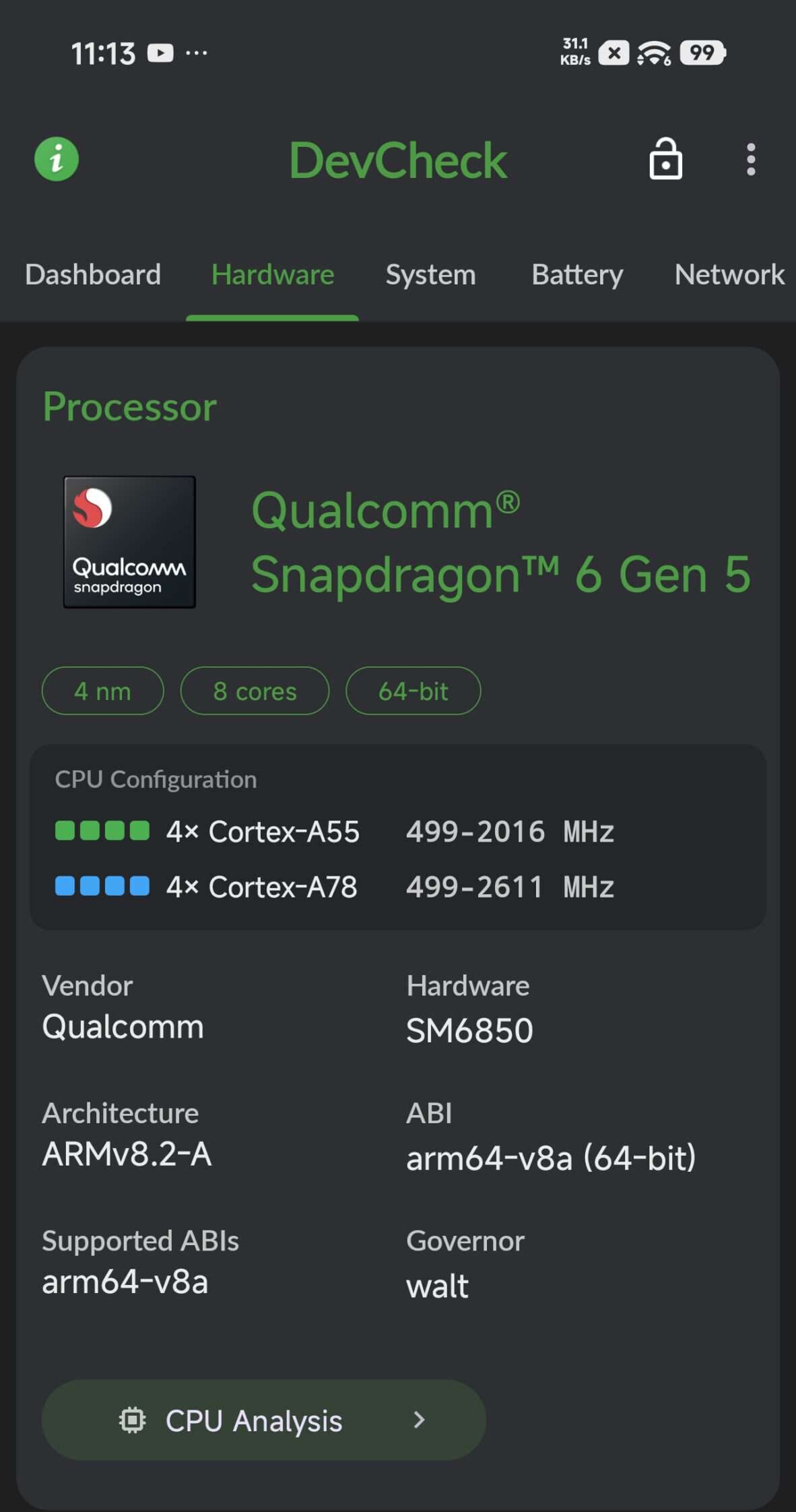
| Processor (CPU) | Qualcomm Snapdragon 6 Gen 5 (4nm process, Octa-core up to 2.5 GHz) SM6850 |
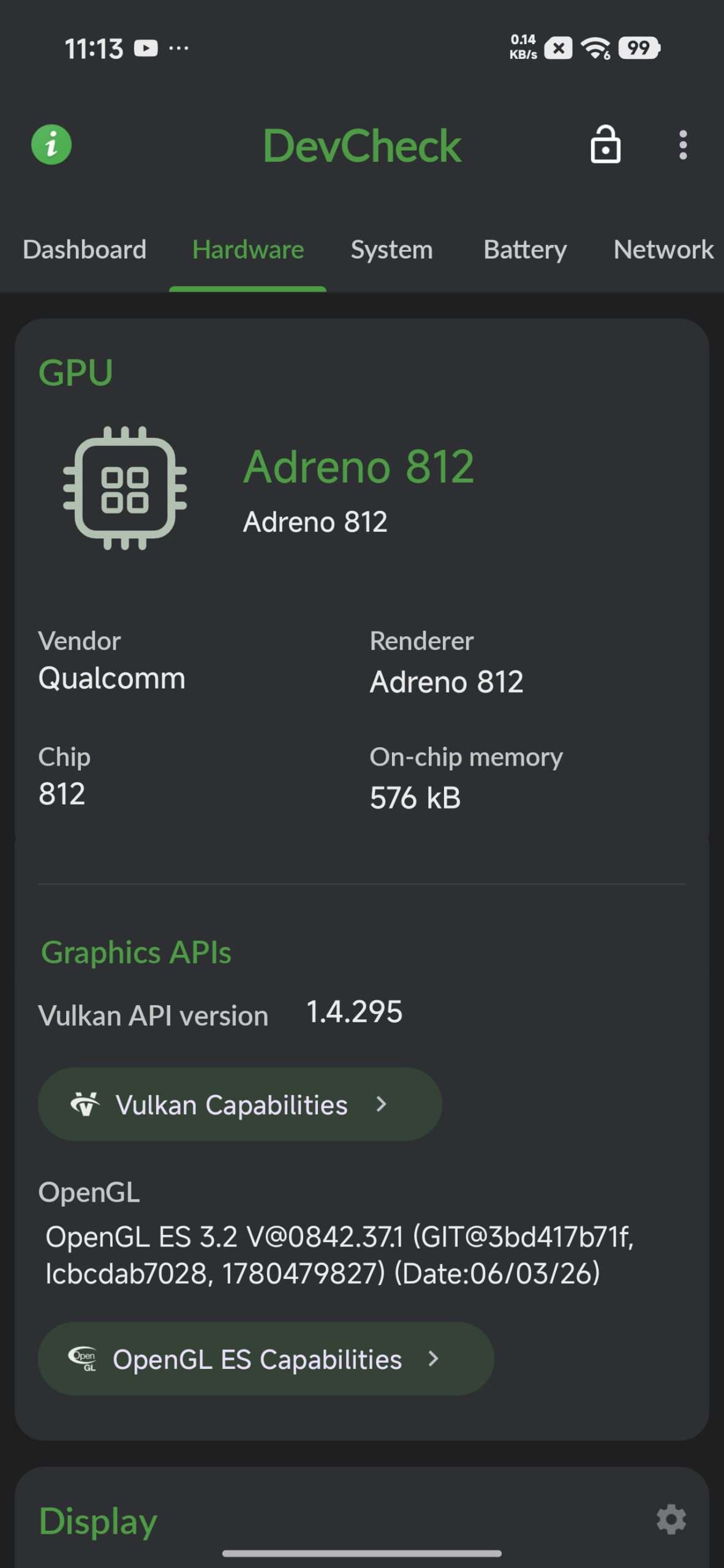
| Graphics (GPU) | Qualcomm Adreno 812 |
| RAM & Storage | 8GB LPDDR5X RAM & 256GB UFS 4.1 |
| Rear Camera | Dual Setup: |
| • 50 MP Main (f/1.51, OmniVision OV51 A, PDAF, OIS) | |
| • 8 MP Ultra-wide (f/2.2), OmniVision OV08F | |
| Front Camera | 32 MP (f/2.2) OmniVision OV32D |
| Battery | 10,000 mAh Silicon-Carbon battery |
| Charging | 100W HyperCharge wired, 27W reverse wired charging |
| Operating System | Android 16 with HyperOS 3 Until 2032 – 4 major Android OS updates and 6 years of security patches |
| Connectivity | 5G, Dual SIM + eSIM, Wi-Fi 6 Dual Band, Bluetooth 6.0, NFC, IR Blaster |
| Audio | Symmetrical stereo speakers, Dolby Atmos, Dual-Mic array |
| Biometrics & Sensors | Ultrasonic under-display fingerprint sensor, X-axis linear motor, Flicker sensor, Ambient light, Gyro |
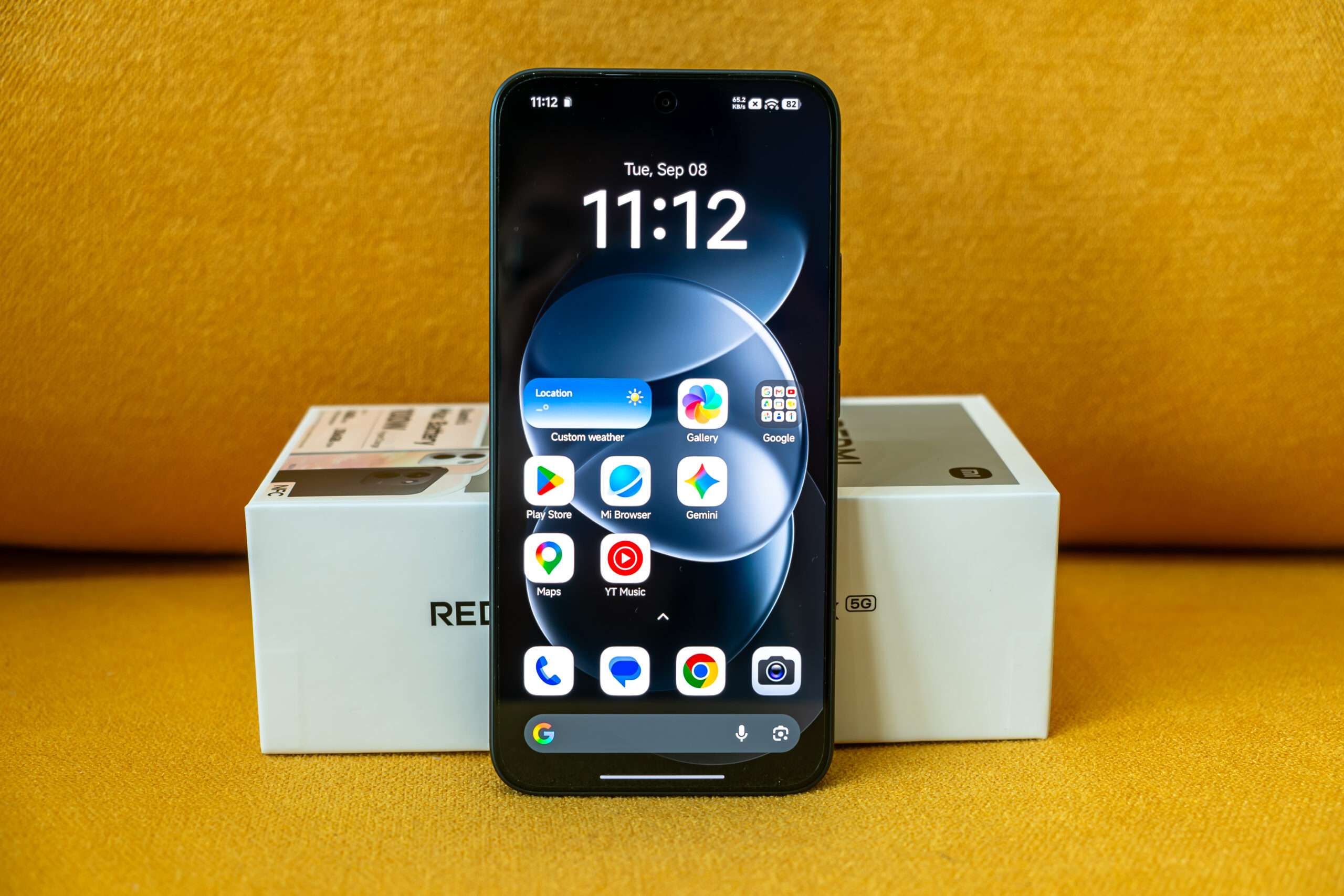
The large 6.83-inch 1.5K AMOLED display, offering a 2772 × 1280 resolution and a smooth 120Hz refresh rate. The display produces sharp and detailed images, while the high refresh rate makes scrolling through webpages, menus and social media feel noticeably smoother. The panel also supports 12-bit colour depth, HDR10+ and Dolby Vision, allowing it to deliver vibrant colours, deep blacks and excellent contrast when watching supported HDR content. With a peak brightness of up to 3500 nits, the display remains highly visible even when using the phone outdoors under bright sunlight. For eye comfort, Xiaomi has included 3840Hz PWM dimming, which helps reduce visible flickering at lower brightness levels. The display is protected by Corning Gorilla Glass Victus 2, providing an additional layer of protection against scratches and everyday impact. On the front, the phone features a 32MP selfie camera, which is designed to provide detailed selfies and supports high-resolution video recording.
Qualcomm Snapdragon 6 Gen 5
The Snapdragon 6 Gen 5 (SM6850) brings several performance-focused features, including Qualcomm’s Adaptive Performance Engine 4.0 and Adaptive Performance FPS 3.0. These technologies are designed to deliver more consistent frame rates during gaming while maintaining better power efficiency. Snapdragon Game Super Resolution is also supported, allowing games to upscale lower-resolution visuals for improved image quality while helping to extend battery life.
Under the hood, the Snapdragon 6 Gen 5 features an octa-core CPU configuration with 2× Cortex-A78 cores clocked at up to 2.6GHz and 4× Cortex-A55 cores running at up to 2.0GHz. This represents a significant improvement over the previous Snapdragon 6 Gen 4, which featured only a single performance core running at up to 2.3GHz. The new Adreno 812 GPU also delivers up to 21% higher graphics performance, while Qualcomm claims an additional 8% improvement in power efficiency.
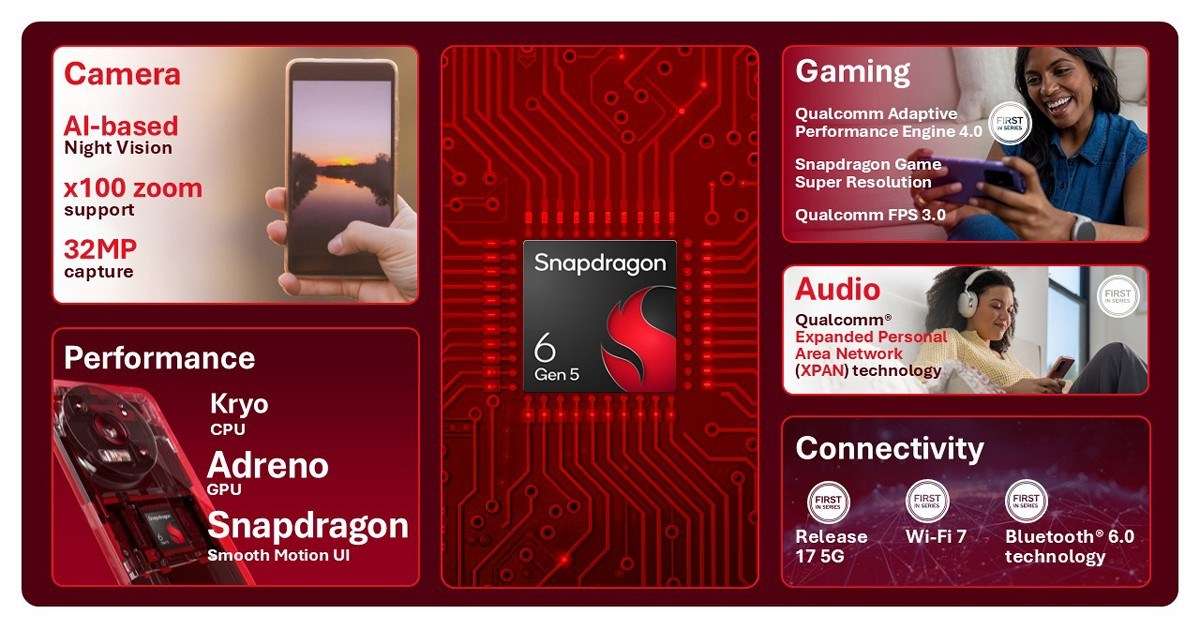
Key upgrades featured in the Snapdragon 6 Gen 5 (SM6850):
-
Smarter Gaming: Features Adaptive Performance Engine 4.0, Adaptive Performance FPS 3.0 for stable frame rates, and Game Super Resolution to upscale graphics while saving power.
-
CPU Boost: Upgrades to an octa-core setup (2x 2.6 GHz Cortex-A78 + 4x 2.00 GHz Cortex-A55), offering significantly higher single- and multi-core speeds than the 6 Gen 4’s single 2.3 GHz performance core.
-
Graphics & Efficiency: The new Adreno 812 GPU boosts performance by 21%, alongside an overall 8% gain in power efficiency.
The Snapdragon 6 Gen 4 was the first processor in the 6-series to be manufactured using TSMC’s 4nm process. Qualcomm’s official information for the Snapdragon 6 Gen 5 only specifies a 4nm process, so it is likely to use the same manufacturing node. Like its predecessor, the Snapdragon 6 Gen 5 supports LPDDR5 memory running at up to 3,200MHz, while LPDDR4X is also supported for more affordable devices. Storage support includes UFS 3.1, providing fast read and write performance.
On the display side, the integrated display engine supports resolutions up to 1080p+ with refresh rates of up to 144Hz, making it suitable for high-refresh-rate smartphone displays. However, the chipset still does not include dedicated hardware support for AV1 video decoding.
Both the Snapdragon 6 Gen 4 and Gen 5 also feature Qualcomm’s Snapdragon Smooth Motion UI, which is designed to provide smoother scrolling, reduce interface lag and improve overall responsiveness. According to Qualcomm’s internal testing, the Snapdragon 6 Gen 5 can launch applications 20% faster and deliver 18% less stutter compared with the previous-generation Snapdragon 6 Gen 4.
For photography, Qualcomm has equipped the Snapdragon 6 Gen 5 with a dual 12-bit ISP, compared with the triple ISP configuration found on the Gen 4. The chipset supports a single camera with resolutions of up to 200MP, or up to 64MP with Zero Shutter Lag (ZSL) enabled. For dual-camera setups, it supports configurations up to 16MP + 16MP, compared with 32MP + 16MP on the previous generation.
Video recording support remains unchanged, with the video encoding engine capable of handling 4K video at 30fps using H.264 and H.265 codecs. While there is no major improvement in video encoding capability, Qualcomm has added several AI-powered camera features, including AI Night Vision, AI image-quality enhancement and up to 100x digital zoom. These features are designed to improve image quality and provide greater flexibility when shooting in challenging lighting conditions or at extreme zoom levels.
History of Qualcomm Snapdragon 6 Gen 5 rebrands
The Qualcomm Snapdragon 695 5G (released in 2021) has been directly recycled and rebranded into a specific entry-level successor under Qualcomm’s newer naming scheme
- Snapdragon 695 5G (2021): Built on a 6nm TSMC process with two Cortex-A78 cores and six Cortex-A55 cores (Model: SM6375).
- Snapdragon 6s Gen 3 (2024): Officially confirmed by Qualcomm to be an “enhanced version” and direct rebrand of the Snapdragon 695 featuring a minor 0.1GHz CPU clock speed bump and minor AI tweaks under part number SM6375-AC.
| Generation | Snapdragon model | SoC / platform | Process | CPU configuration | Position |
| 2021 | Snapdragon 695 5G | SM6375 | TSMC 6nm | 2× A78 2.2GHz + 6× A55 1.8GHz | Original 695 platform |
| 2022 | Snapdragon 6 Gen 1 | SM6450 | 4nm | Up to 2.2GHz | New architecture, not a 695 rebrand |
| 2024 | Snapdragon 6 Gen 3 | SM6475 | 4nm | Up to 2.4GHz | Further-generation platform |
| 2024 | Snapdragon 6s Gen 3 | SM6375 | 6nm | 2× A78 2.3GHz + 6× A55 1.8GHz | Closest direct refresh of the 695 |
| 2025 | Snapdragon 6 Gen 4 | 4nm | Up to 2.3GHz | Major architectural redesign | |
| 2025 | Snapdragon 6s Gen 4 | SM6435-AA | 4nm | 2.4GHz A78 + 1.8GHz A55 | Lower-cost 6-series design |
| 2026 | Snapdragon 6 Gen 5 | SM6850 | 4nm | 2× A78 2.6GHz + 4× A55 2.0GHz | Newer mainstream 6-series |
Qualcomm’s own product listings confirm that the Snapdragon 695 and Snapdragon 6s Gen 3 are both based on the older 6nm platform, while the 6 Gen 1, 6 Gen 3 and 6 Gen 4 moved to 4nm.
The interesting part: Snapdragon 6s Gen 3
The 695 uses SM6375, with 2× Cortex-A78 at 2.2GHz and 6× Cortex-A55 at 1.8GHz. The 6s Gen 3 retains the same SM6375 platform, but raises the A78 performance cores to around 2.3GHz. In other words, it is much closer to a refresh/rebrand of the 695 than the later numbered “Gen” chips.
The evolution is therefore better described as:
Snapdragon 695 → Snapdragon 6s Gen 3 → newer 6-series architecture → Snapdragon 6 Gen 4 → Snapdragon 6 Gen 5
rather than:
695 → 6 Gen 1 → 6 Gen 3 → 6 Gen 4 → 6 Gen 5
being a series of direct rebrands and our benchmark result will show the result.
Moving to the back of the phone, the rear design features a clean and modern appearance with a large camera module positioned at the top. The camera housing gives the phone a distinctive look while integrating the main camera system neatly into the rear panel. The rear frame is designed with curved edges, making the large smartphone more comfortable to hold despite its overall size. The finishing also helps give the phone a more premium appearance, while the solid construction provides a reassuring feel when handling the device.
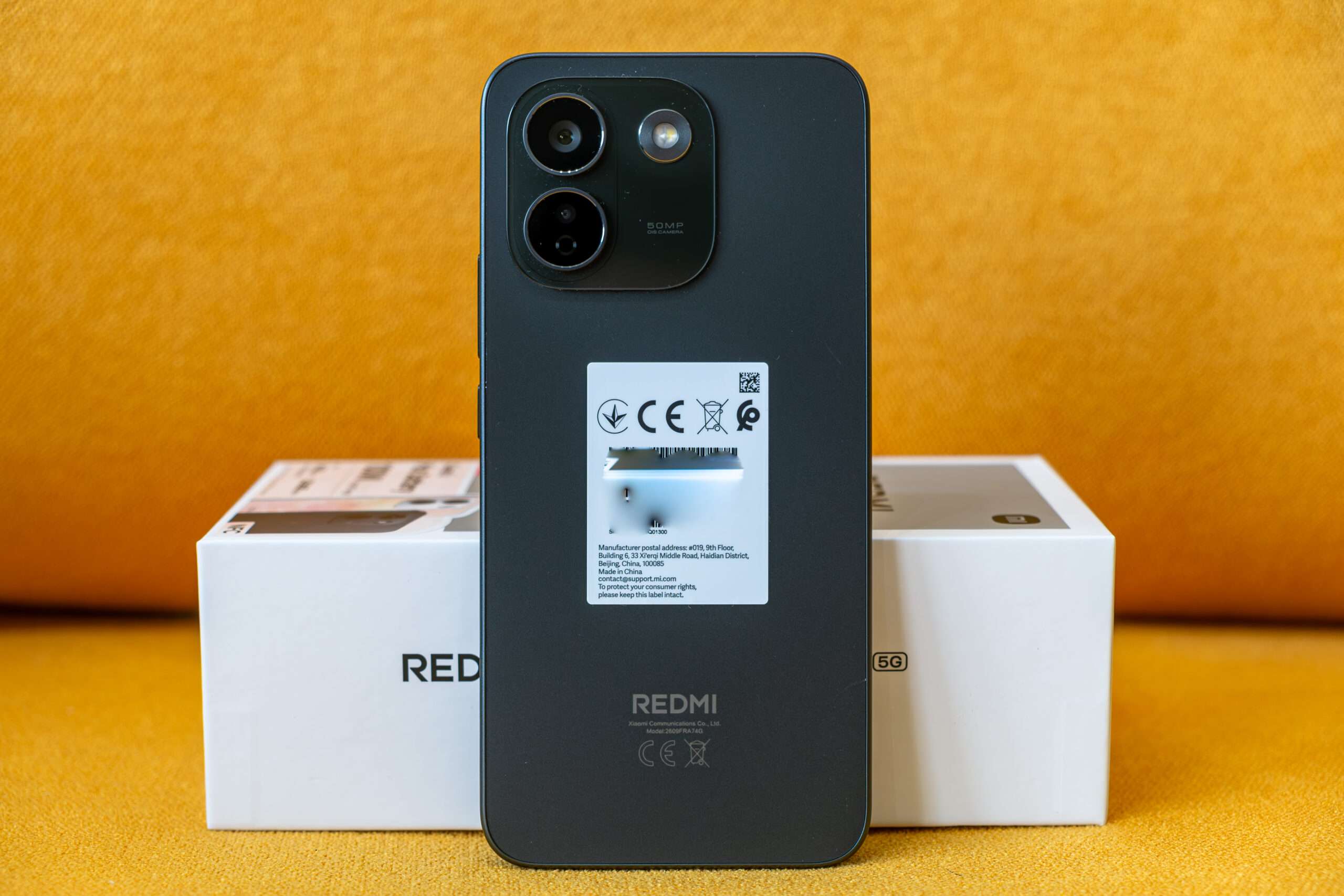
The power button provides a firm and responsive click, while the volume buttons have good tactile feedback and are clearly separated, making it easy to adjust the volume without looking at the phone.

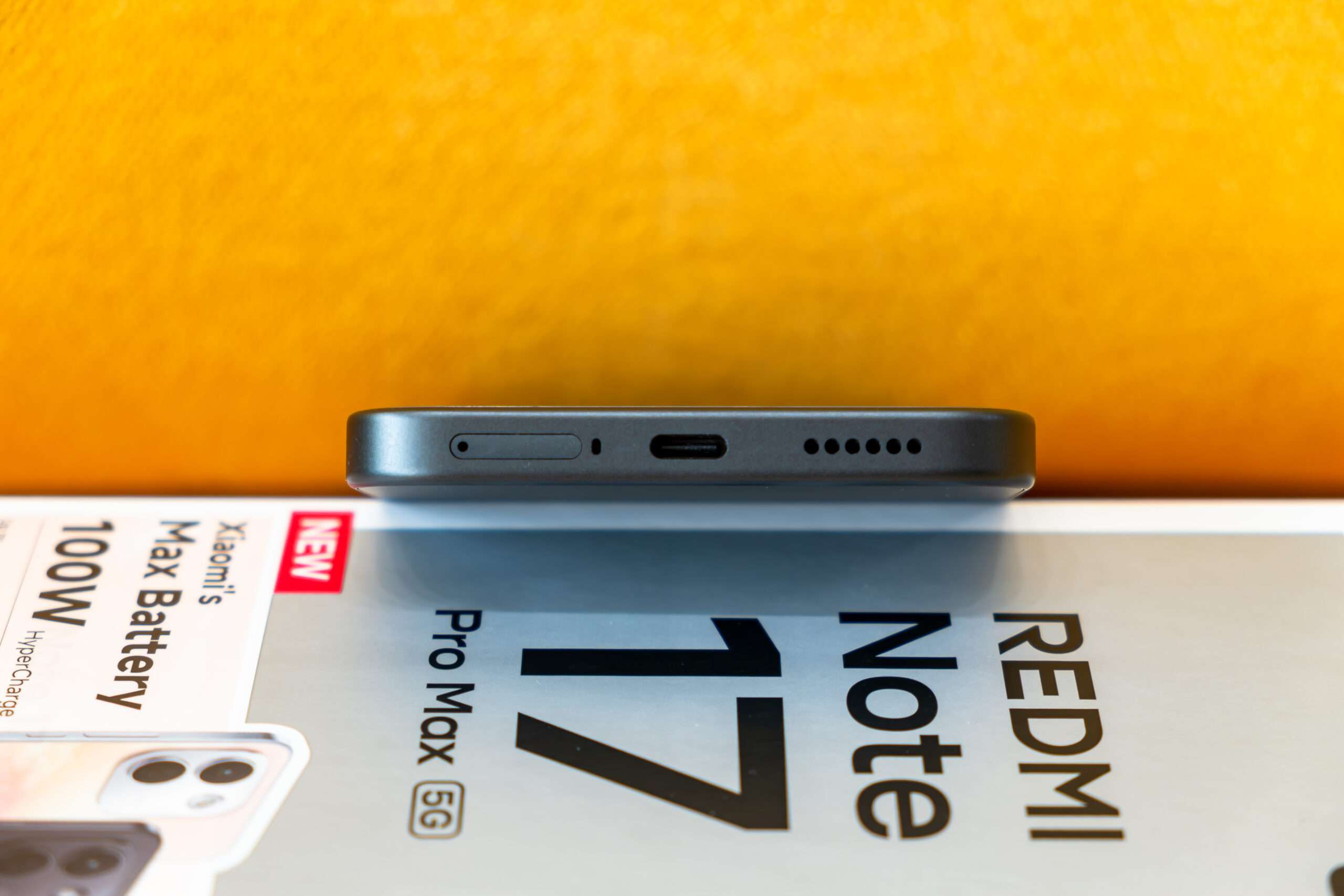
At the bottom of the REDMI Note 17 Pro Max 5G, we can find the USB Type-C charging and data port, the main speaker grille and the SIM card tray. The USB Type-C port supports the phone’s 100W HyperCharge, allowing the large 10,000mAh battery to be recharged at high speed.
The bottom-firing speaker works together with the top speaker to provide a stereo speaker setup, delivering a wider and more immersive sound experience when watching videos, playing games or listening to music.
Redmi Note 17 Pro Max 5G – 10,000mAh Silicon-Carbon Battery Design
One of the biggest highlights of the REDMI Note 17 Pro Max 5G is its enormous 10,000mAh silicon-carbon battery. Unlike a conventional lithium-ion battery that primarily relies on graphite for the anode, the silicon-carbon design introduces silicon into the anode material to significantly increase the amount of lithium that can be stored. Xiaomi states that this battery contains 16% silicon, allowing the company to achieve a much higher energy density while still fitting a 10,000mAh battery inside a relatively compact smartphone body. The REDMI Note 17 Pro Max 5G supports 100W HyperCharge, allowing the large battery to be replenished much faster than would normally be expected from a 10,000mAh cell. Xiaomi claims that just 10 minutes of charging can provide up to seven hours of video playback, while a 15-minute charge can provide up to 10 hours of video playback under its test conditions.
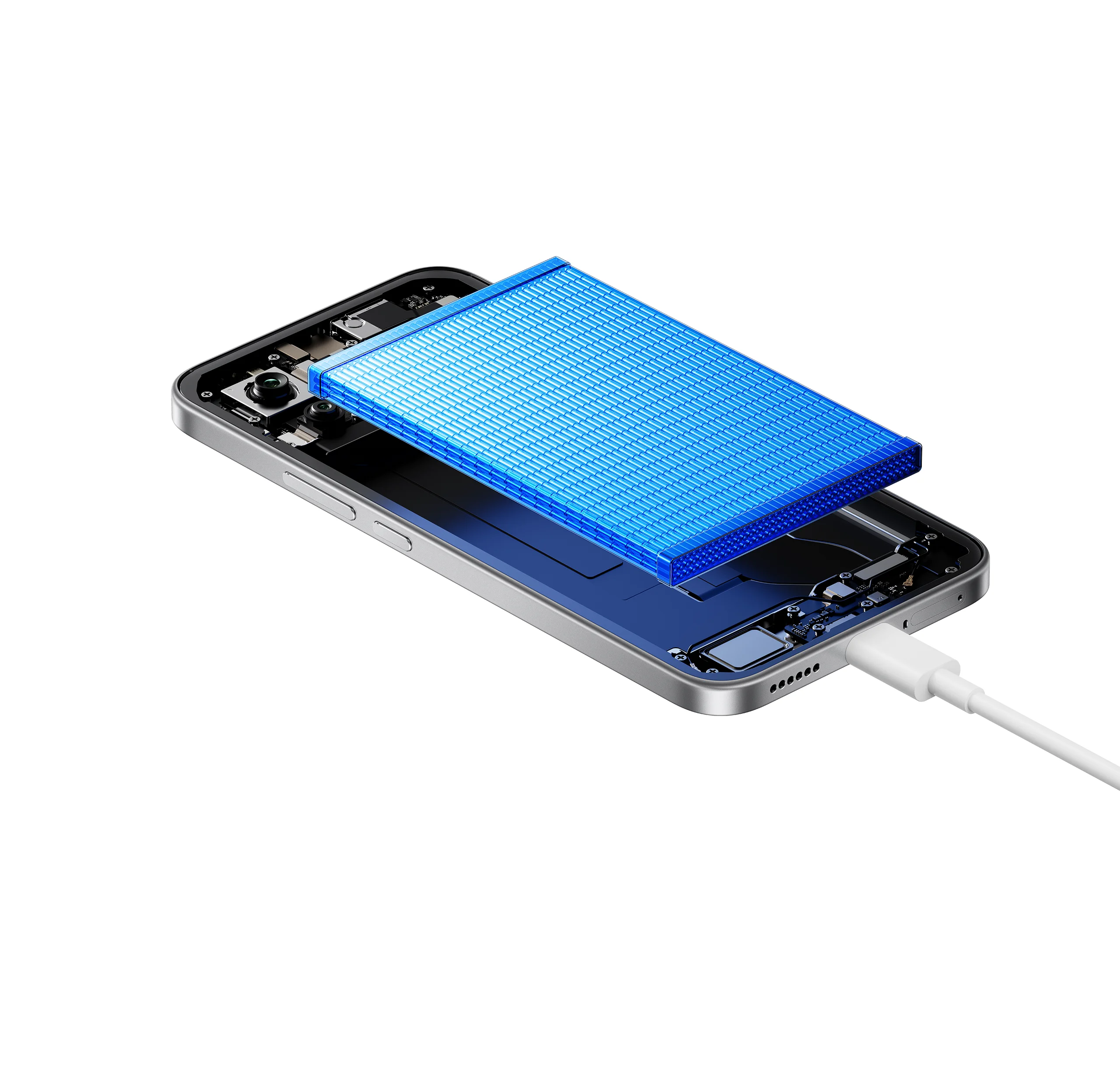
A silicon-carbon (Si-C) battery is an advanced type of lithium-ion battery that replaces part of the conventional graphite anode with silicon-based material combined with a carbon matrix. The main purpose is to increase energy density while keeping the battery thin enough for modern smartphones.
How the battery is designed
A conventional lithium-ion smartphone battery normally uses graphite as the anode. Graphite is reliable and has good cycle life, but its theoretical lithium-storage capacity is relatively limited.
Silicon can store considerably more lithium than graphite. Silicon’s theoretical capacity is around 3,579 mAh/g, compared with approximately 372 mAh/g for graphite.
The problem is that silicon expands dramatically—roughly 300%—when lithium ions are inserted during charging. Repeated expansion and contraction can cause the silicon particles to crack and lose electrical contact.
This is where the carbon structure becomes important.
A silicon-carbon anode typically uses:
- Silicon particles or silicon-based material – provides much higher lithium-storage capacity.
- Carbon matrix/coating – provides electrical conductivity and helps accommodate silicon expansion.
- Graphite – may still be used together with silicon to improve stability and cycle life.
- Binder and conductive additives – hold the active materials together and maintain electrical connections.
- Copper current collector – carries electrons between the anode material and the phone’s circuitry.
The exact composition differs between manufacturers, so not every battery marketed as “silicon-carbon” uses the same architecture.
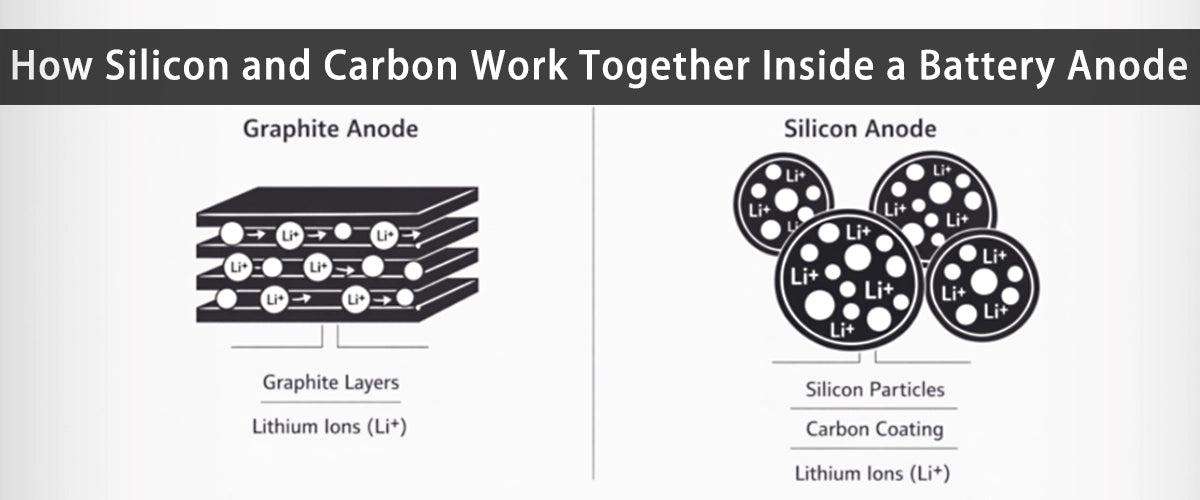
Silicon-carbon vs conventional graphite:
| Feature | Graphite Battery | Silicon-Carbon Battery |
| Anode | Mainly graphite | Silicon + carbon, often with graphite |
| Energy density | Lower | Higher potential |
| Capacity in same volume | Lower | Higher |
| Silicon expansion | N/A | Major engineering challenge |
| Cycle stability | Mature and excellent | Improving |
| Charging capability | Good | Potentially very good |
| Manufacturing | Mature | More complex |
| Cost | Generally lower | Generally higher |
| Smartphone benefit | Established technology | Higher capacity in similar space |
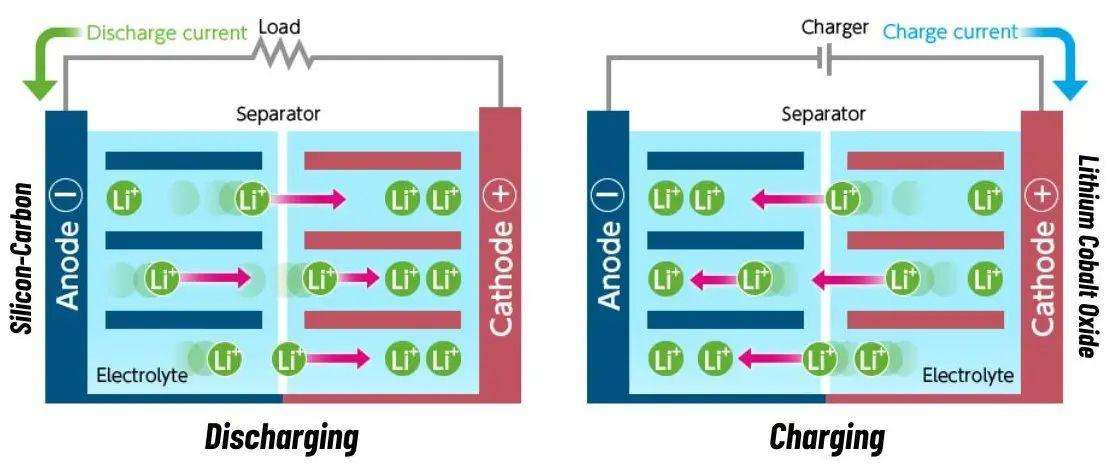
Silicon-based anodes can also support high-rate charging when the complete battery chemistry and thermal-management system are designed for it.
However, silicon-carbon does not automatically mean faster charging.
Fast charging depends on many components, including:
- Anode chemistry
- Cathode chemistry
- Battery management system
- Charging IC
- Thermal management
- Charging protocol
- Cell construction
A Si-C battery can therefore be paired with very fast charging, but the two technologies should not be considered the same thing.
The Note 17 Pro Max 5G comes with a 50MP main camera featuring a wide f/1.5 aperture and Optical Image Stabilisation (OIS). The large aperture allows more light to reach the sensor, which is particularly useful when shooting in low-light and night-time conditions. OIS also helps reduce camera shake, especially when taking handheld photos or recording video. The main camera is accompanied by an 8MP ultra-wide-angle camera, allowing you to capture a wider field of view for landscapes, architecture, group photos and indoor scenes.
- Wide (main): 50MP OmniVision OV51A (1/1.95″, 0.8µm-1.6µm); 26mm, f/1.5, OIS, PDAF (8cm – ∞); 4K30/1080p60 video recording.
- Ultrawide: 8MP OmniVision OV08F (1/4.0″, 1.12µm); 15mm, f/2.2, fixed focus; 1080p30.
- Front camera: 32MP OmniVision OV32D (1/3.6″, 0.61µm-1.22µm); 22mm, f/2.2, fixed focus; 4K30/1080p60.
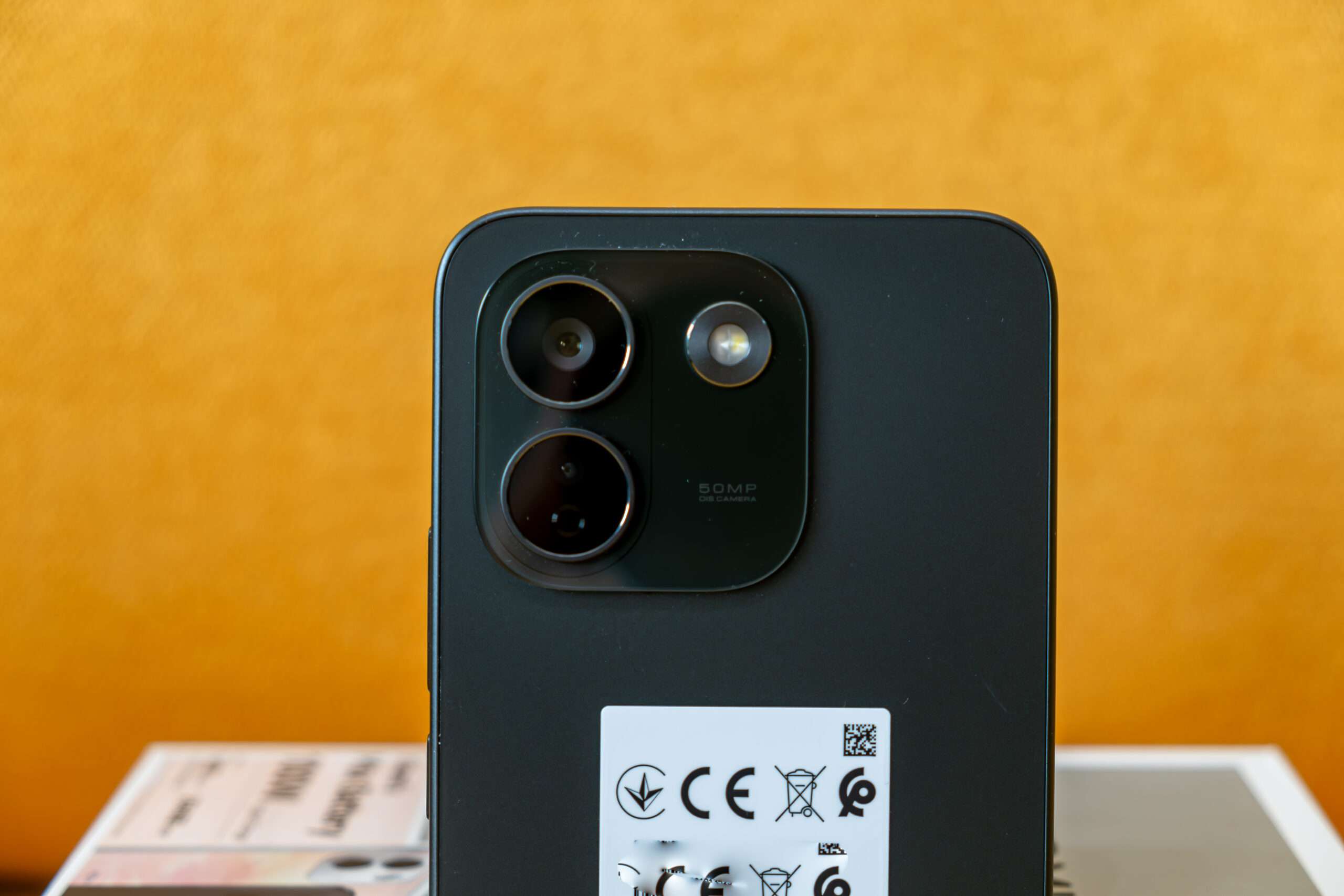
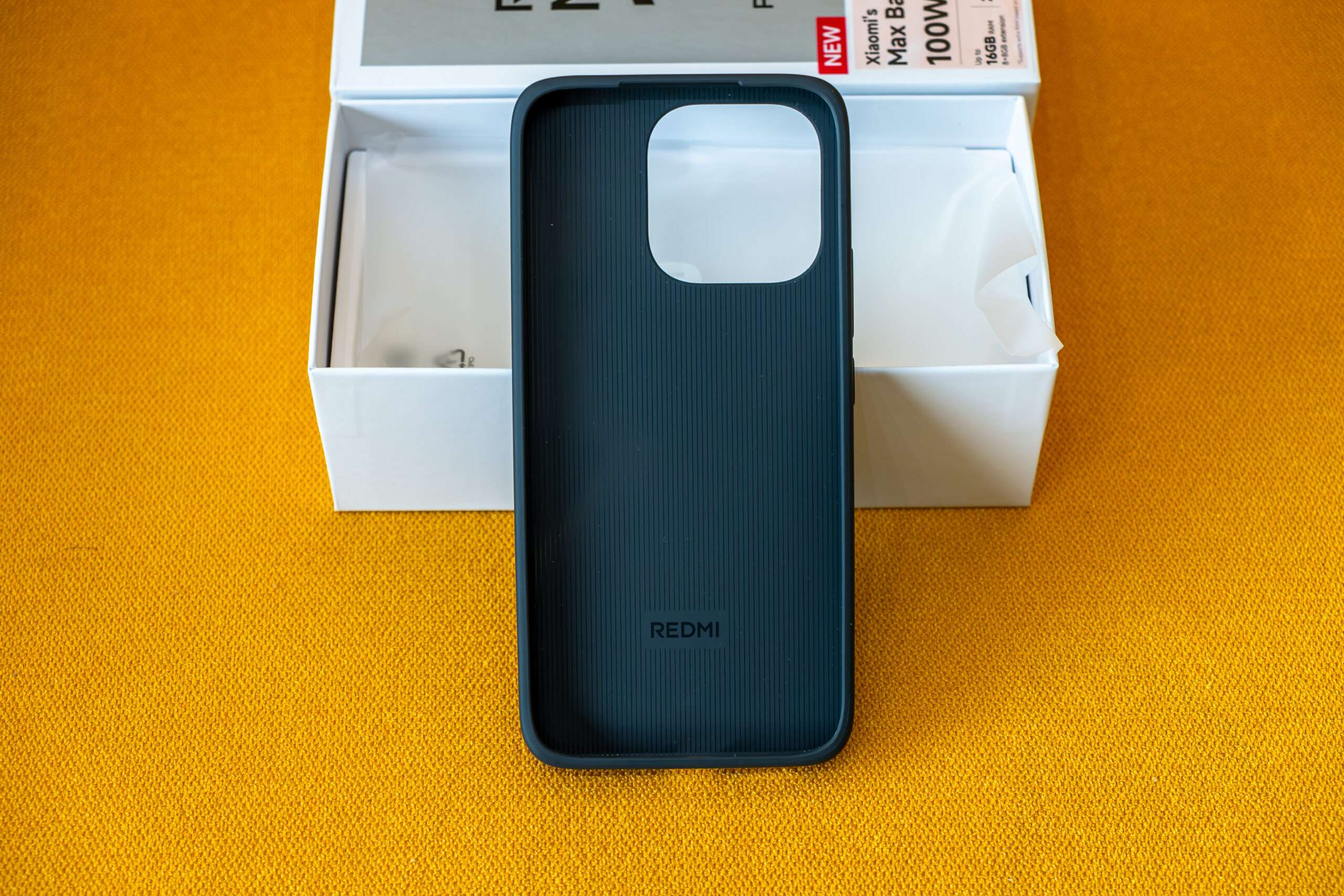
The TPU case is surprisingly great. It has a hard-ish bump that goes over the camera which prevents scratches when you lie it flat on a table.
Main Camera Daylight – Photoshooting Indoor


Main Camera Night – Photoshooting Food & Indoor






Main Camera Daylight – Photoshooting Outdoor
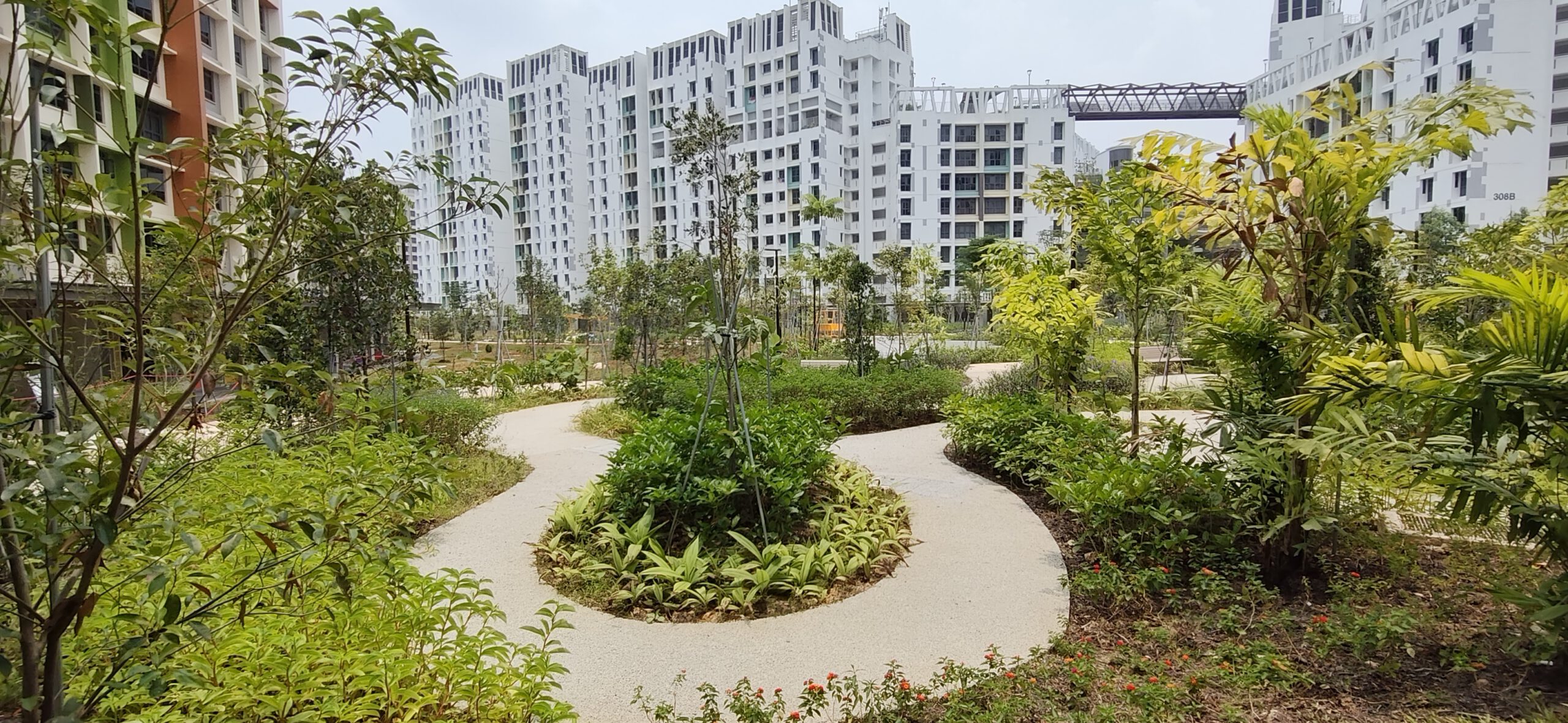
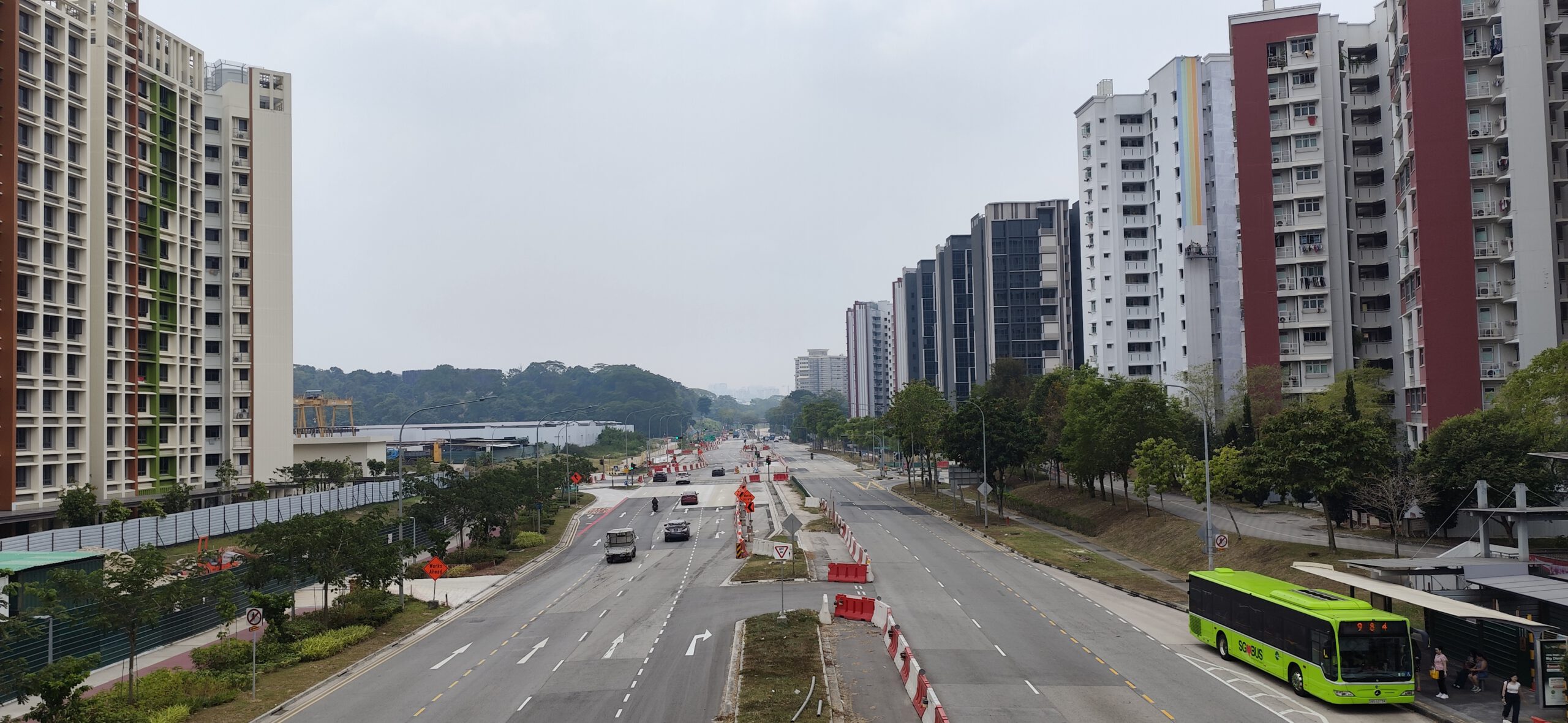
Main Camera Night – Photoshooting Outdoor











Secondary Camera Wide – Photoshooting Outdoor



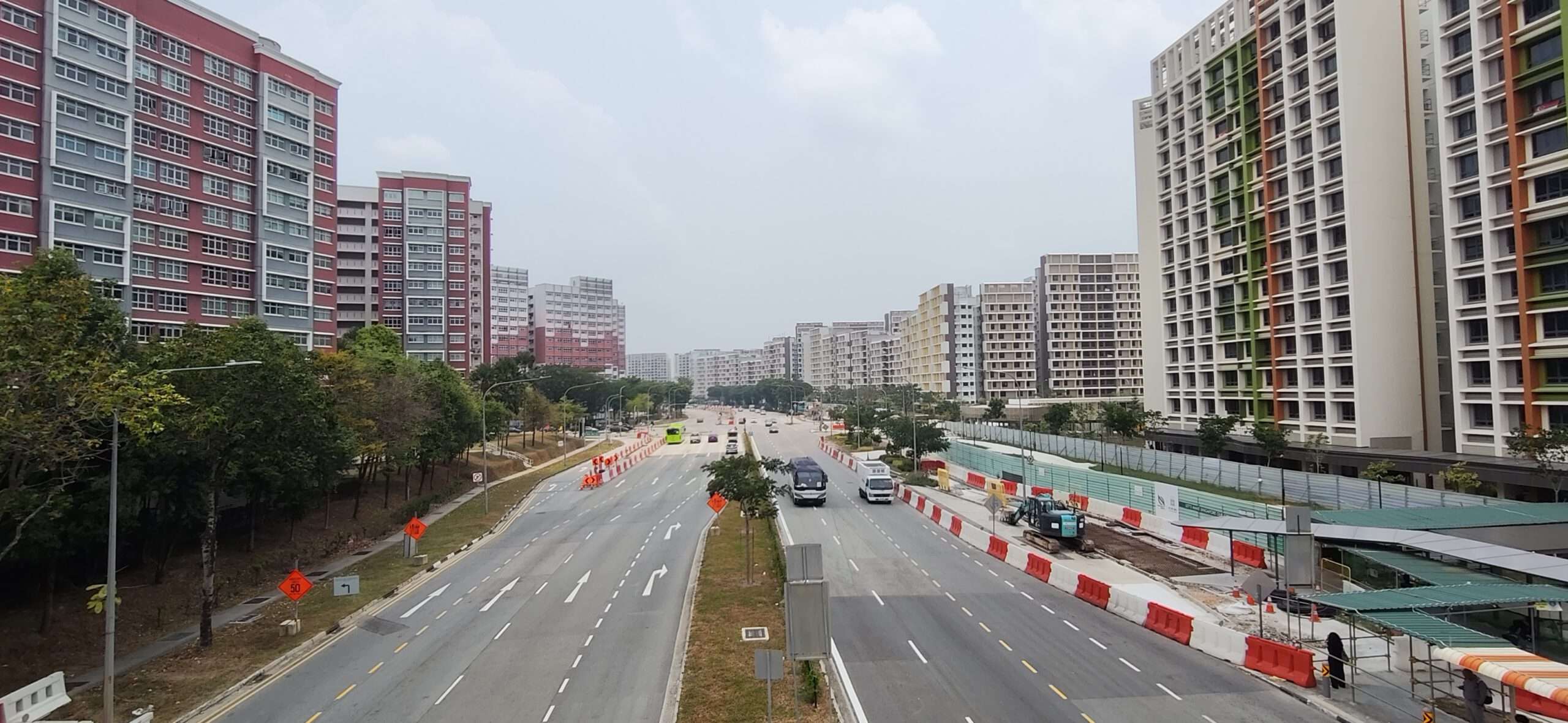
Video Recording: 4K OIS
OIS physically compensates for small hand movements by shifting the camera lens, helping to maintain image sharpness and reduce motion blur.
Benchmark
We conduct a comparative evaluation between the Redmi Note 17 Pro Max 5G and the Redmi Note 11 Pro 5G performace. Both Smartphone using latest firmware and performace is set to Ultimate mode.
| Model | Redmi Note 11 Pro 5G | Redmi Note 17 Pro Max 5G |
| CPU | Qualcomm Snapdragon 695 5G – 8 Cores | Qualcomm Snapdragon 6 Gen 5 – 8 Cores |
| GPU | Qualcomm Adreno 619 – 2Cu | Qualcomm Adreno 812 – 2Cu |
| Ram | 8GB LPDDR4X 2133Mhz | 8GB LPDDR5X 6400Mhz |
| NPU | Hexagon 686 | Hexagon |
| Storage | UFS 2.2 128GB | UFS 4.1 256GB |
| Android | 16 Baklava BP2A | 16 Baklava BP2A |
| Firmware | Lineage 23.2 | 3.306.0 |
| Memory Cache | No | 4GB Memory extension |
3Dmark Advanced Edition
3DMark includes everything you need to benchmark your PC and mobile devices in one app. Whether you’re gaming on a smartphone, tablet, notebook, or a desktop gaming PC, 3DMark includes a benchmark designed specifically for your hardware.
| Benchmark FPS | Redmi Note 11 Pro 5G | Redmi Note 17 Pro Max 5G |
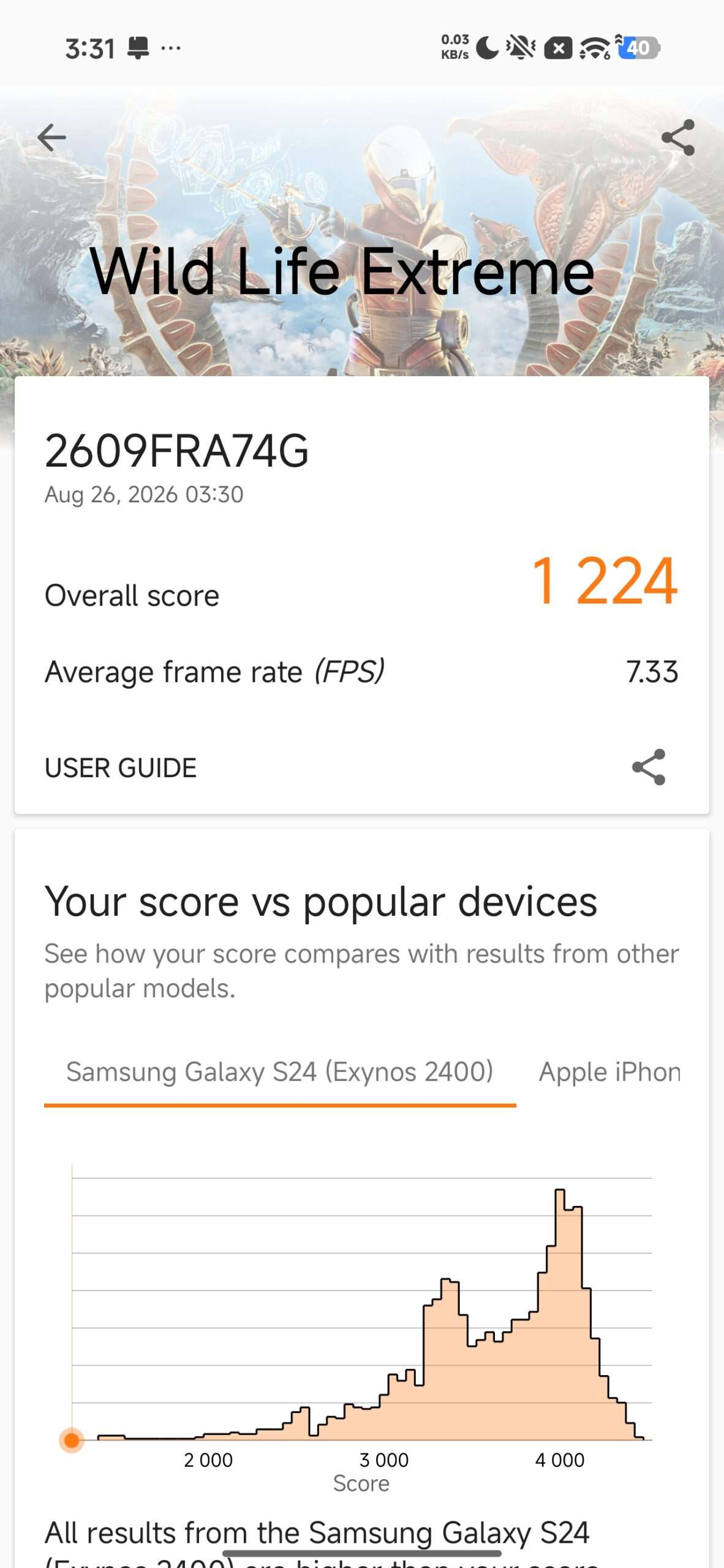
| Wild Life Extreme | 361 | 1224 |
| Opacity Micomaps On | Lack of API to support Vulkan | Lack of API to support Vulkan |
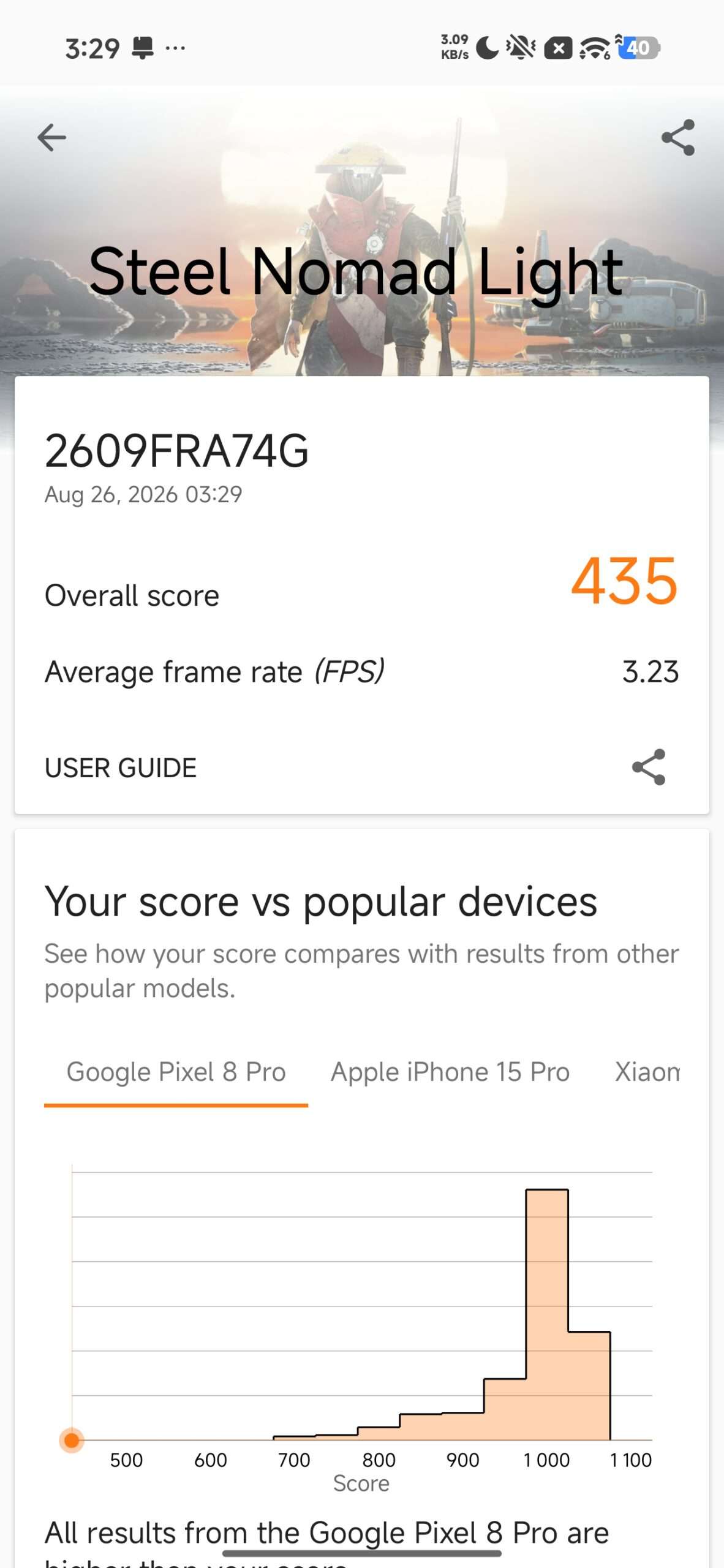
| Steel Nomad Light | Lack of API to support Vulkan | 435 |
| Solar Bay Extreme | Lack of API to support Vulkan | Lack of API to support Vulkan |
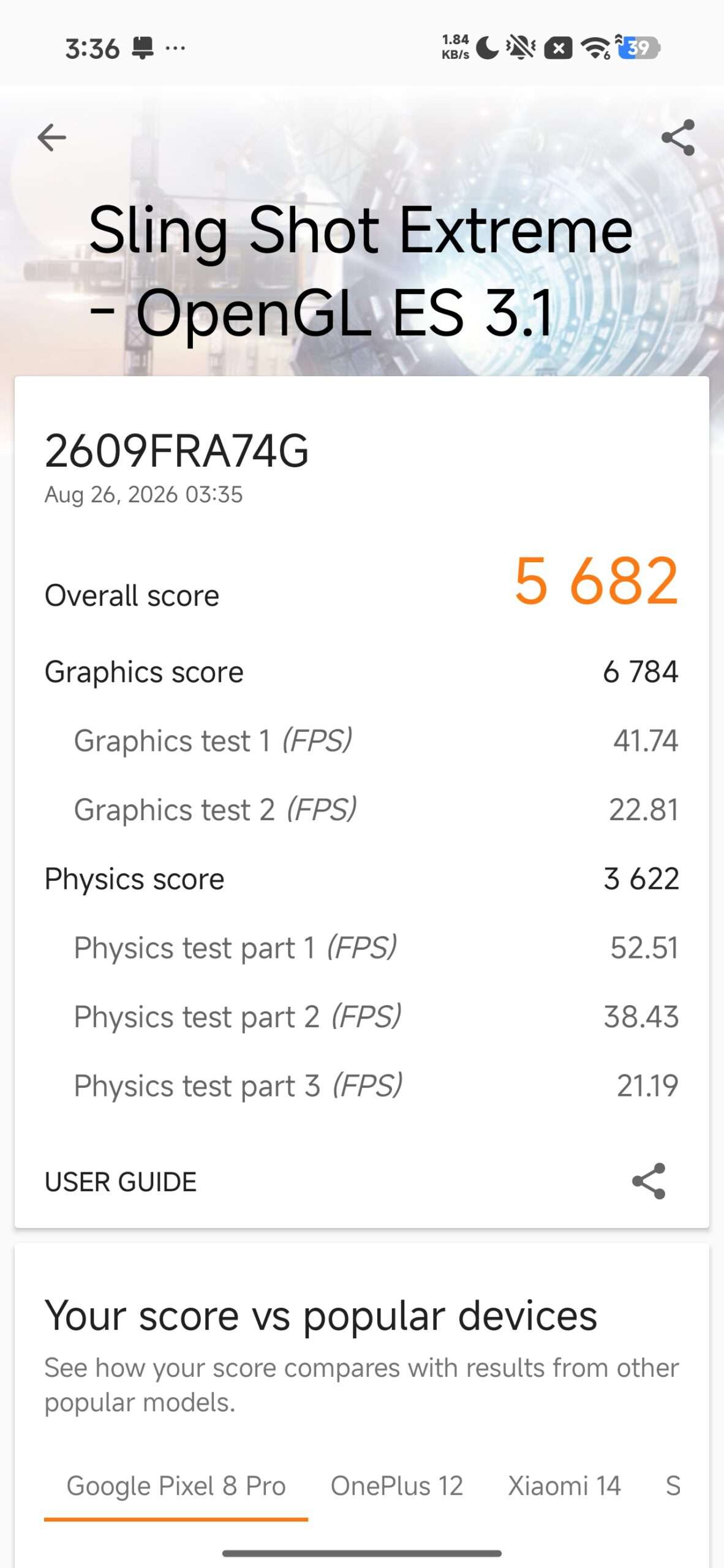
| Sling Shot Extreme | 2970 | 5682 |
PCMark for Android
PCMark Android features a comprehensive set of tests that cover the wide variety of tasks performed in the modern workplace. With a range of performance tests, custom run options, Battery Life Profile, and new Storage benchmarks, PCMark is the complete smartphone benchmark for the modern office.
| Benchmark | Redmi Note 11 Pro 5G | Redmi Note 17 Pro Max 5G |
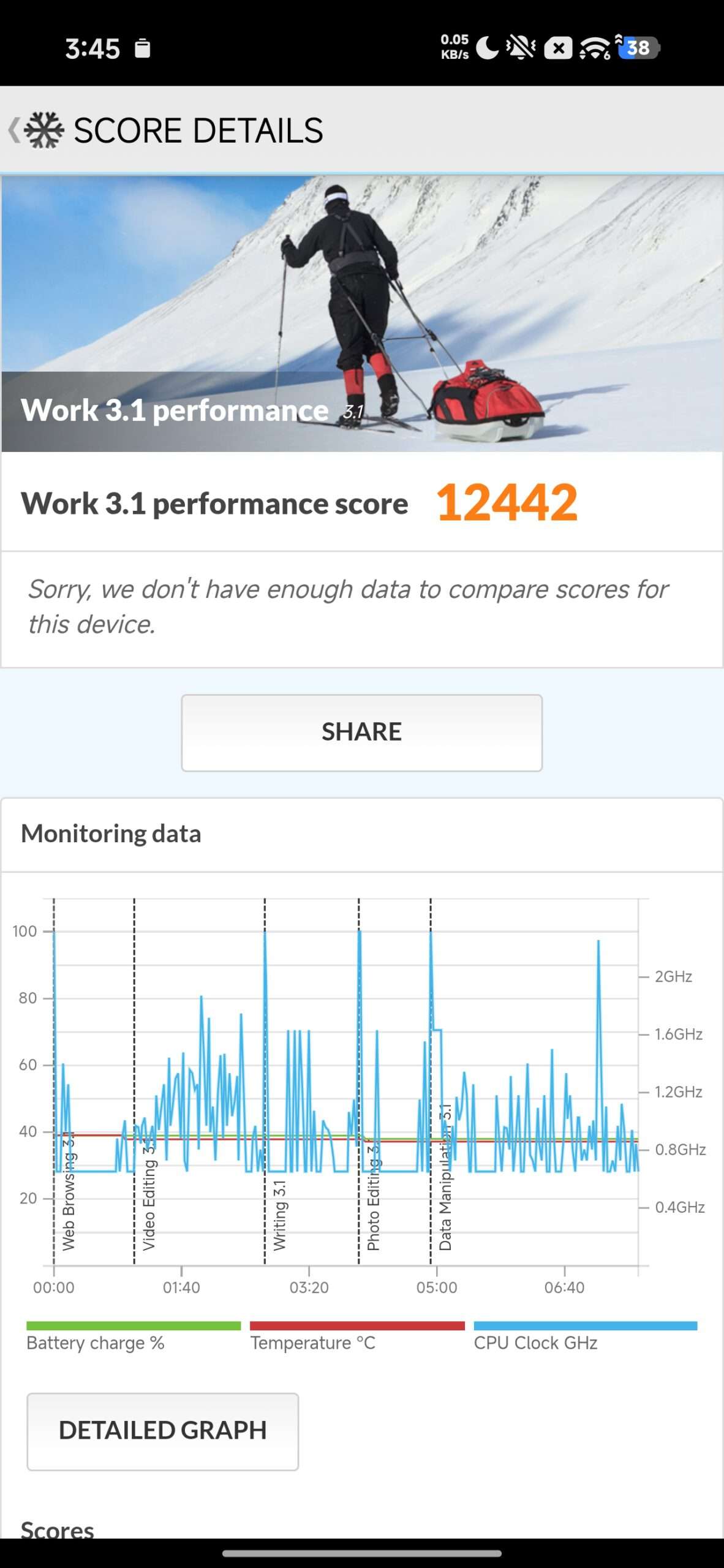
| Work 3.1 | 10822 | 12442 |
AnTuTu AI Benchmark
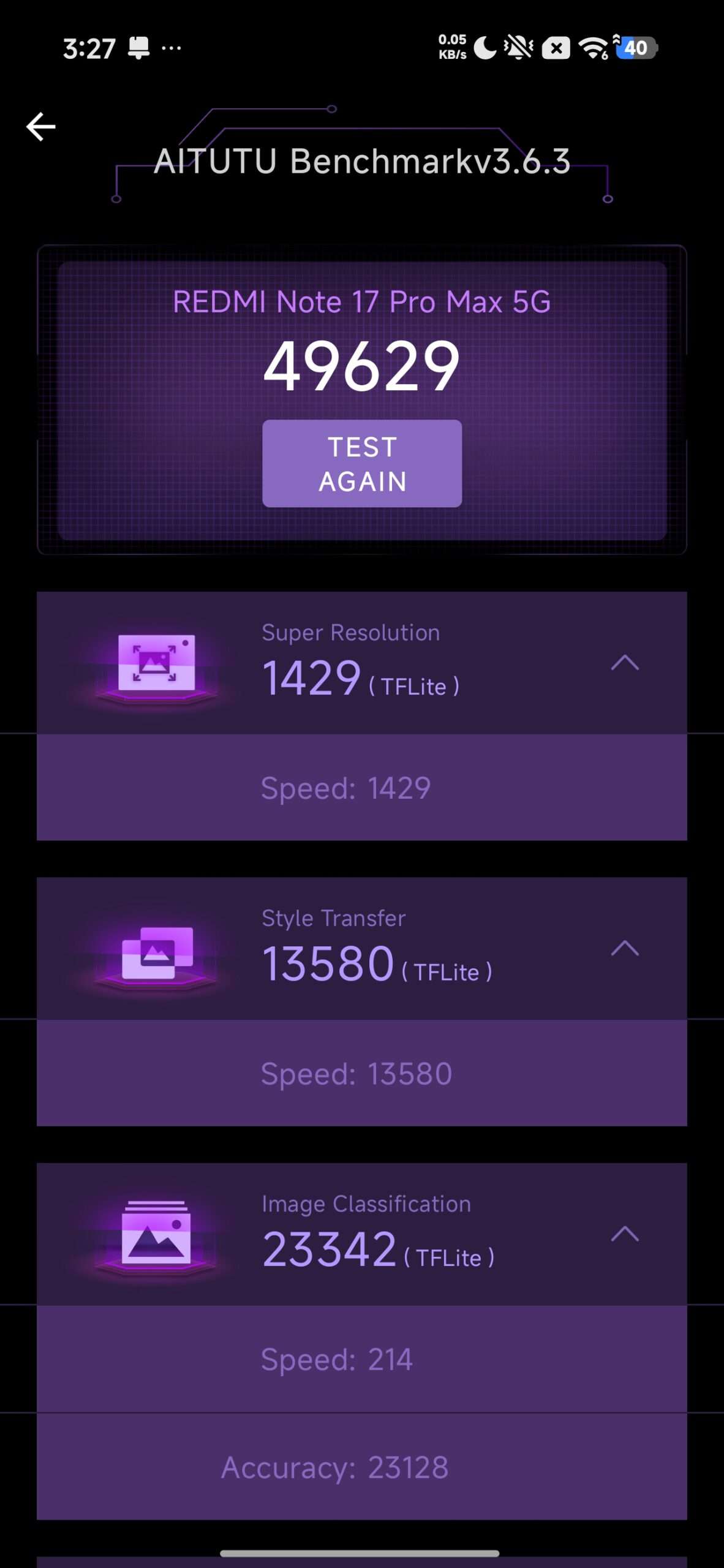
Supports regular AI image recognition and large model inference performance evaluation.
AnTuTu Benchmark
AnTuTu is a benchmarking app used to test and score the overall performance of smartphones and other devices, evaluating components like CPU, GPU, memory, and user experience (UX) through stress tests, helping users compare a phone’s raw power for tasks like gaming and multitasking, though scores should be balanced with real-world usage
| Benchmark | Redmi Note 11 Pro 5G | Redmi Note 17 Pro Max 5G |
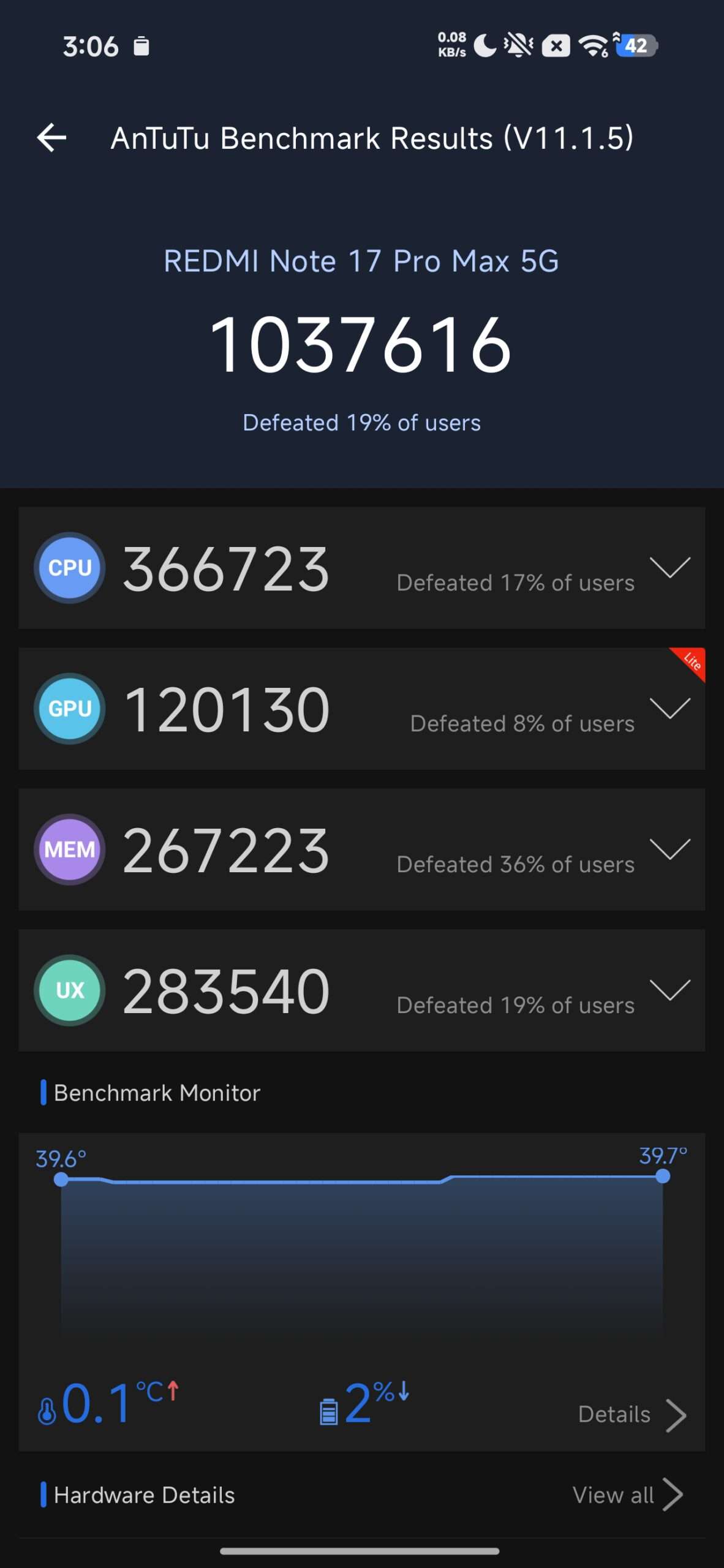
| Total Score | 586368 | 1037616 |
| CPU | 235914 | 366723 |
| GPU | 57781 | 120130 |
| Memory | 103641 | 267223 |
| UX | 189032 | 283540 |
GeekBench
Geekbench AI is a cross-platform AI benchmark that uses real-world machine learning tasks to evaluate AI workload performance. Geekbench AI measures your CPU, GPU, and NPU to determine whether your device is ready for today’s and tomorrow’s cutting-edge machine learning applications.
| Benchmark | Redmi Note 11 Pro 5G | Redmi Note 17 Pro Max 5G |
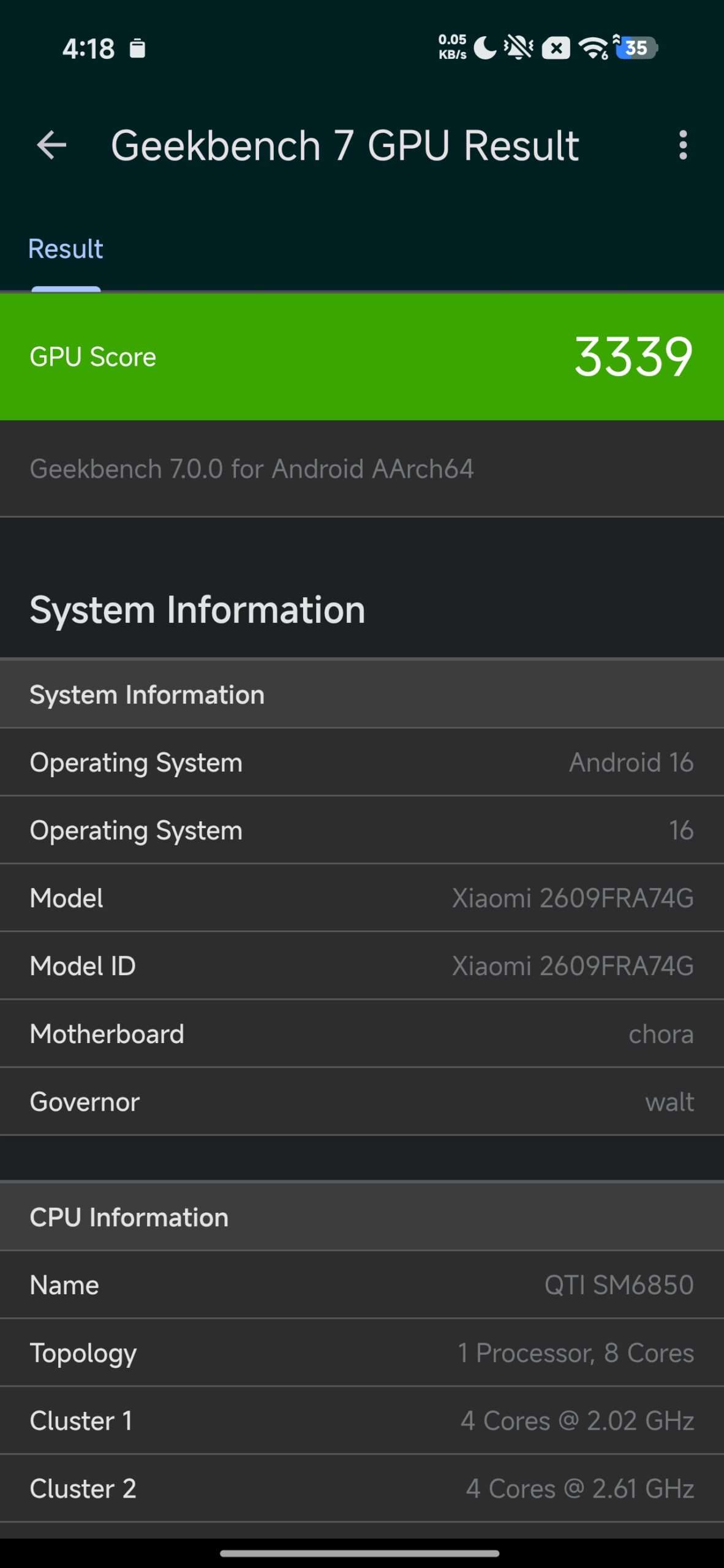
| GPU OpenCL | 1003 | 3339 |
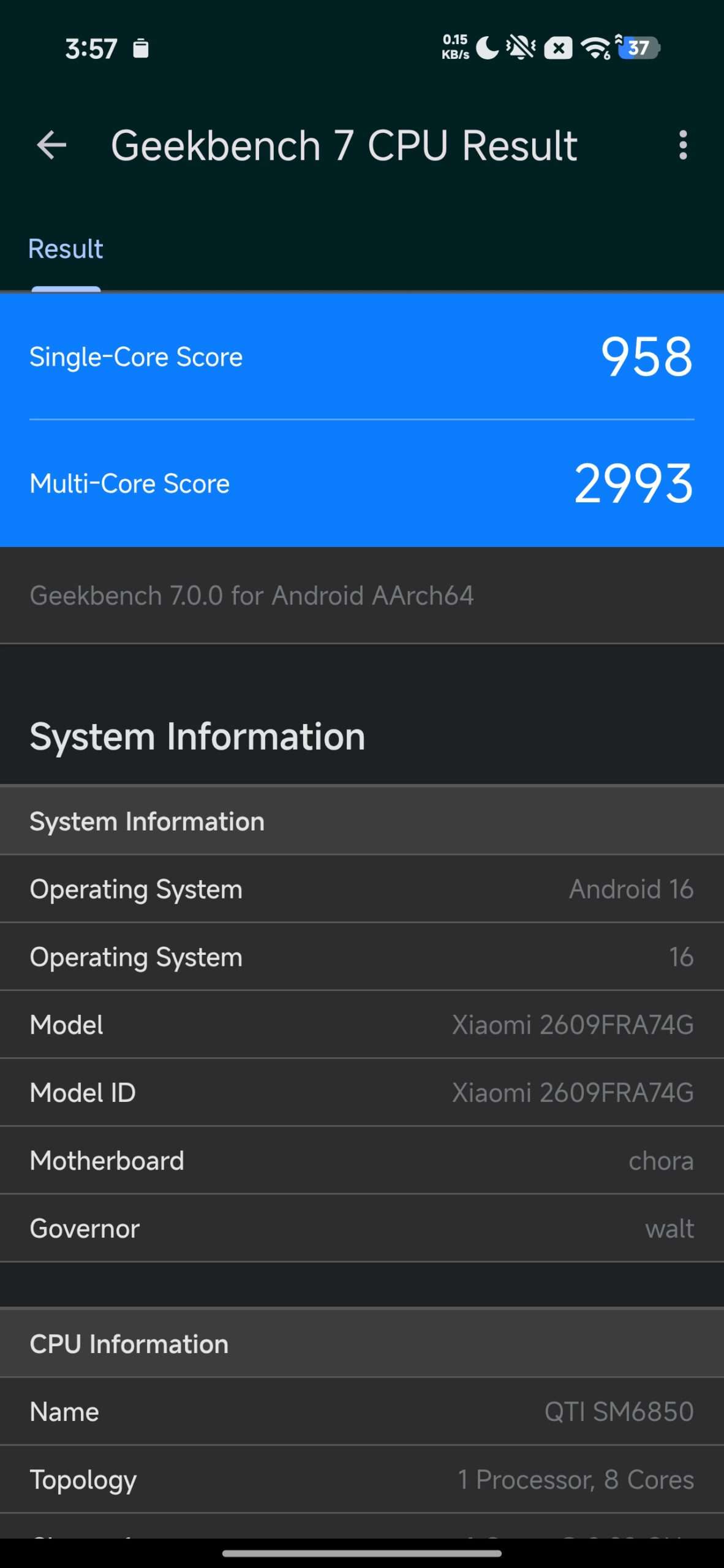
| Single Core | 804 | 958 |
| Multi Core | 2246 | 2993 |
Should you buy Redmi Note 17 Pro Max 5G?
Purchase: Official Store Click Here
After spending time testing the REDMI Note 17 Pro Max 5G, we found that this smartphone is designed with one major priority in mind — battery endurance. Its massive 10,000mAh silicon-carbon battery, combined with 100W HyperCharge, gives the phone excellent battery life and makes it particularly suitable for users who spend long hours gaming, watching videos, browsing the internet or using 5G throughout the day.
The 6.83-inch 1.5K AMOLED display with a 120Hz refresh rate is another major highlight. The screen delivers sharp images, vibrant colours and smooth scrolling, while the high brightness makes it easy to use outdoors. The strong IP69K protection and Gorilla Glass Victus 2 also provide additional confidence for everyday use. The 50MP main camera with OIS is capable of producing detailed photos, although the camera system is not the main reason to buy this phone. Similarly, the Snapdragon 6 Gen 5 provides sufficient performance for everyday applications and casual gaming, but users looking for flagship-level gaming performance may want to consider a more powerful smartphone.
Overall, the REDMI Note 17 Pro Max 5G offers an impressive combination of huge battery capacity, fast charging, a high-quality AMOLED display, durable construction and useful camera features. Its biggest advantage is clearly its battery endurance, while the main compromises are its weight and mid-range performance.
If you are looking for maximum battery life and a large, high-quality display, the REDMI Note 17 Pro Max 5G is an excellent choice. However, if price-to-performance and gaming performance are more important to you, you may want to consider the POCO X8 Pro Max, which offers a stronger performance-oriented package.
Ultimately, the REDMI Note 17 Pro Max 5G is a smartphone built for users who value battery endurance, durability and everyday usability, rather than simply chasing the highest benchmark scores.
REDMI Note 17 Pro Max 5G
669
Pros
- Extremely Long Battery Life
- Cloud Blush color theme is better choice
Cons
- Older WIFI 6 Dual Band
- Weak secondary wide angle camera
- Poor camera for low light
- Weak GPU