POCO has built a strong reputation for delivering flagship-level performance at an affordable price, and the new POCO X8 Pro Max continues that tradition. Equipped with MediaTek’s latest Dimensity 9500S processor, an enormous 8,500mAh silicon-carbon battery, a 6.83-inch 1.5K AMOLED display, and 100W HyperCharge technology, the X8 Pro Max aims to challenge smartphones that cost hundreds of dollars more. Rather than focusing solely on camera performance, POCO has designed the X8 Pro Max for users who prioritize speed, gaming, battery life, and overall value. After spending time with the device, we take a closer look at whether it truly delivers on those promises.
- Phone Specifications
- Processor Specifications
- 360° Ambient Light Sensor: Right below the Flash Light
- How It Works
- Main Camera – 50MP Sony LYT-600
- Rear Camera System
- Camera Specifications
- Right Side
- Top Edge
- Charger Specifications
- Main Camera Daylight – Photoshooting Food & Indoor
- Main Camera Daylight – Photoshooting Outdoor
- Secondary Camera Wide – Photoshooting Outdoor
- Main Camera Daylight – 2x Digital Zoom Photoshooting Outdoor
- Video Recording: OIS & EIS Support
- Video Recording: 1080P ShootSteady Enable – EIS
- Video Recording: 4K OIS Shootsteady Disable
- Main Camera Night – Photoshooting
- Benchmark
- 3Dmark Advanced Edition
- PCMark for Android
- AnTuTu AI Benchmark
- AnTuTu Benchmark
- GeekBench
- Should you buy Poco X8 Pro Max?
- POCO X8 Pro Max Review: Flagship Killer
- Pros
- Cons
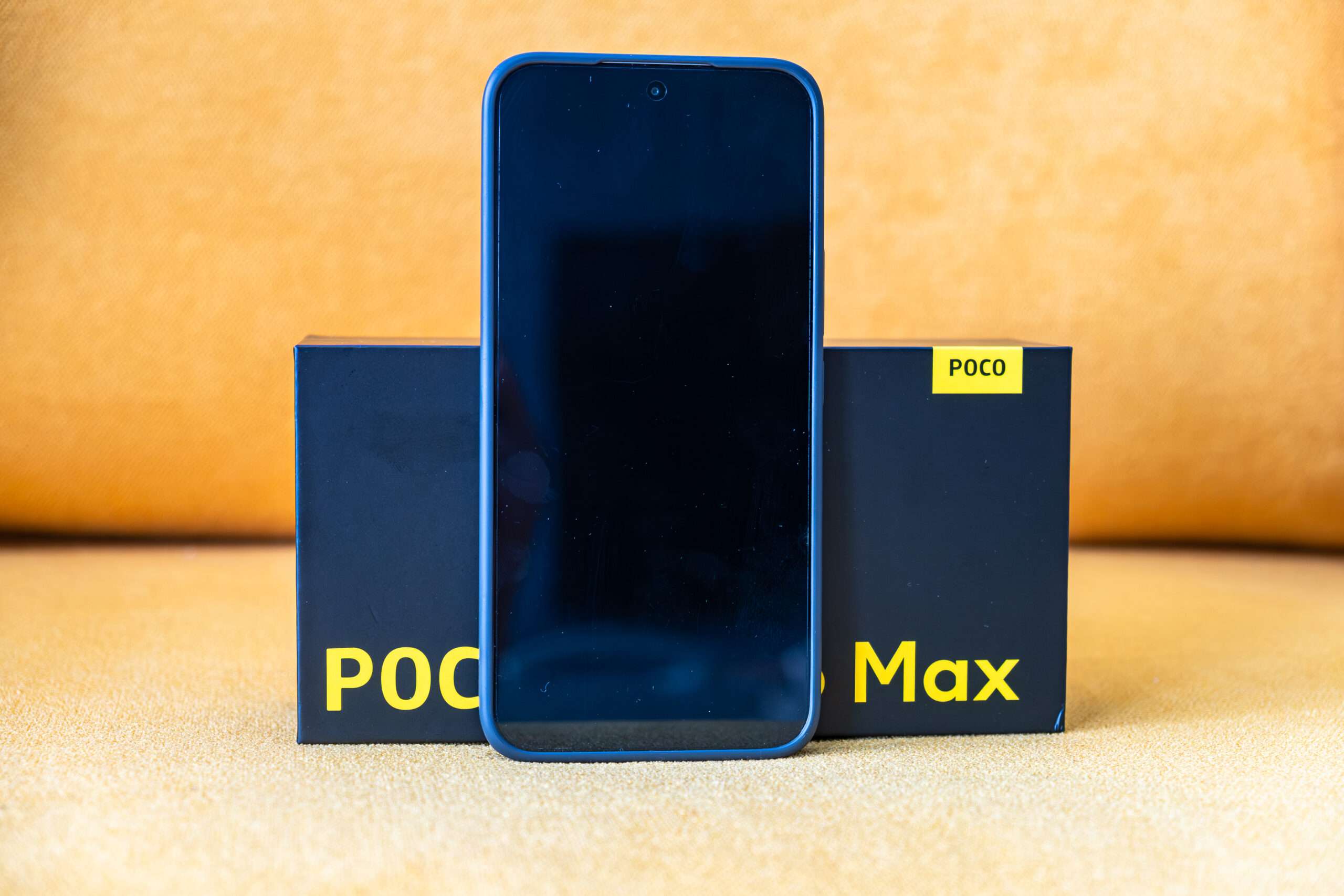
The POCO X8 Pro Max features a 6.83-inch CrystalRes AMOLED display that strikes an excellent balance between visual quality and performance. Its 1.5K resolution (2772 × 1280 pixels), 120Hz refresh rate, and pixel density of approximately 447 PPI deliver razor-sharp text and crisp visuals without unnecessarily draining the battery or placing excessive demands on the GPU.
POCO markets the display as supporting 12-bit color depth with up to 68 billion colors. However, this is achieved using a high-quality 10-bit panel combined with Frame Rate Control (FRC) rather than a native 12-bit hardware panel. By rapidly alternating between similar color shades, FRC effectively reduces color banding and produces smoother gradients, particularly when viewing HDR content.
In real-world testing, the difference between this configuration and a native 12-bit screen is practically indistinguishable. The display serves up exceptional color accuracy, seamless transitions, and striking contrast—especially when streaming Dolby Vision or HDR10+ content.
Phone Specifications
| Display | 6.83-inch 1.5K AMOLED, 120Hz refresh rate, 68B colors, Dolby Vision, HDR10+, 2000 nits (HBM), 3500 nits (Peak), 3840Hz PWM dimming |
| Design & Protection | Glass front (Gorilla Glass 7i), Aluminum frame, Glass-fiber reinforced plastic back; IP68/IP69K dust & water resistance |
| Dimensions & Weight | 162.9 x 77.9 x 8.2 mm |
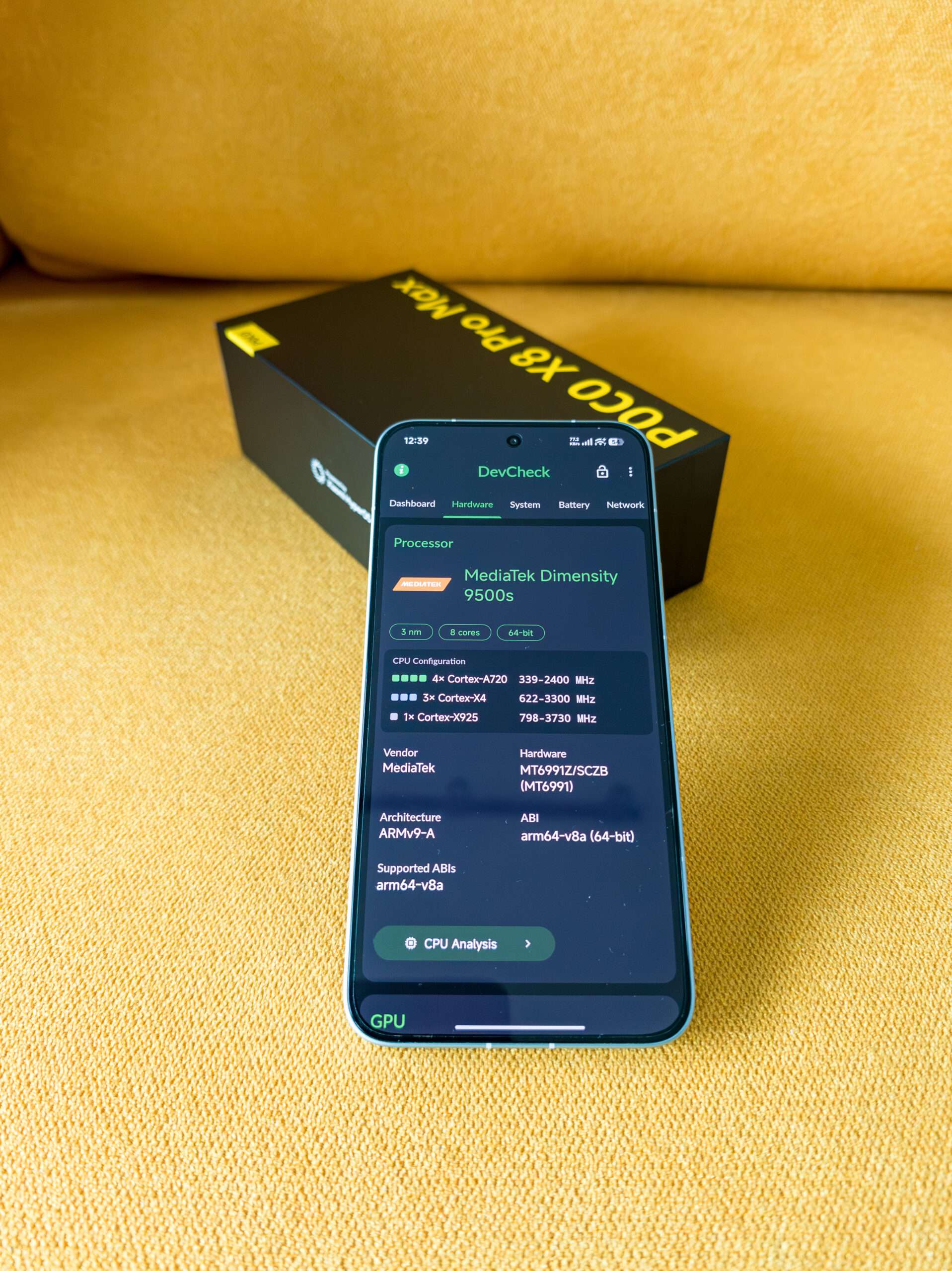
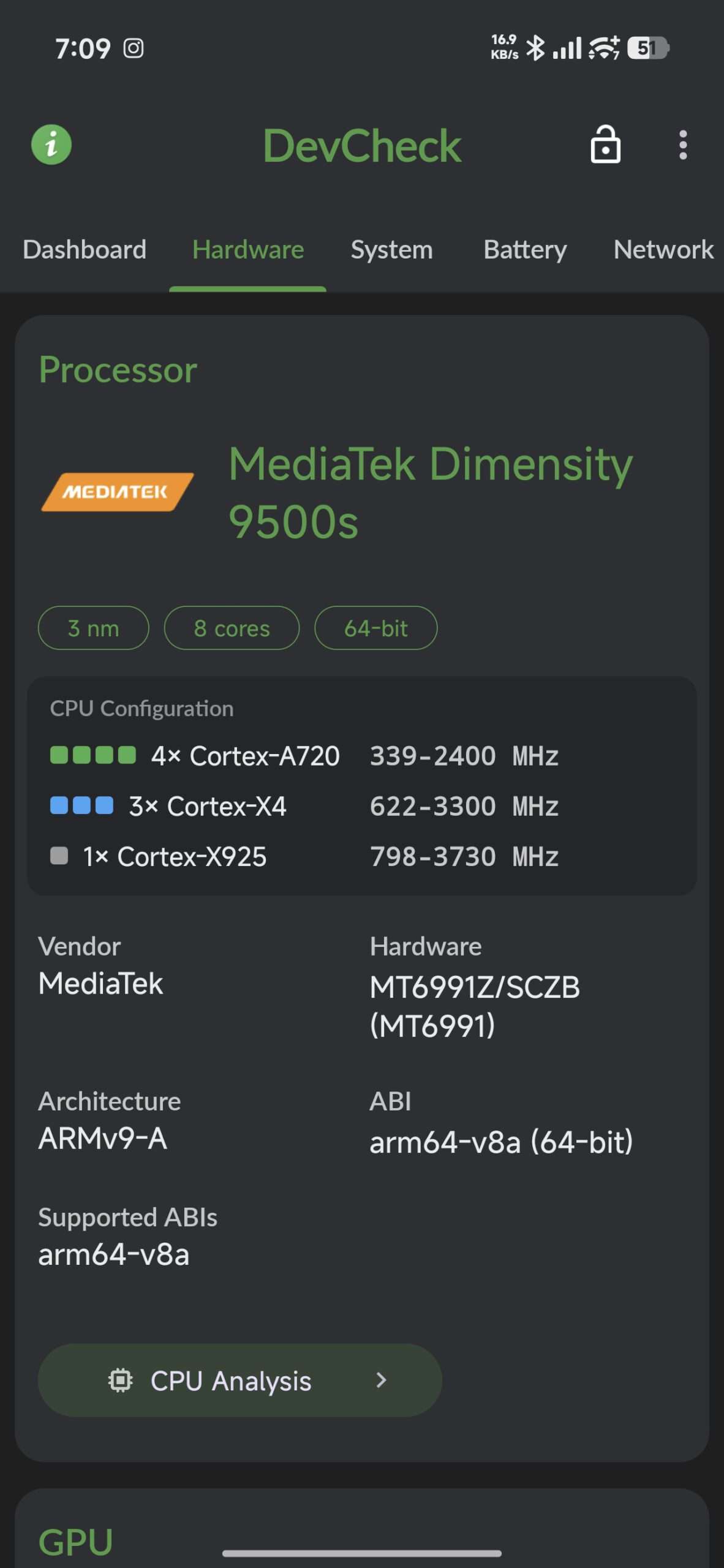
| Processor (CPU) | MediaTek Dimensity 9500s (3nm process, Octa-core up to 3.73 GHz) |
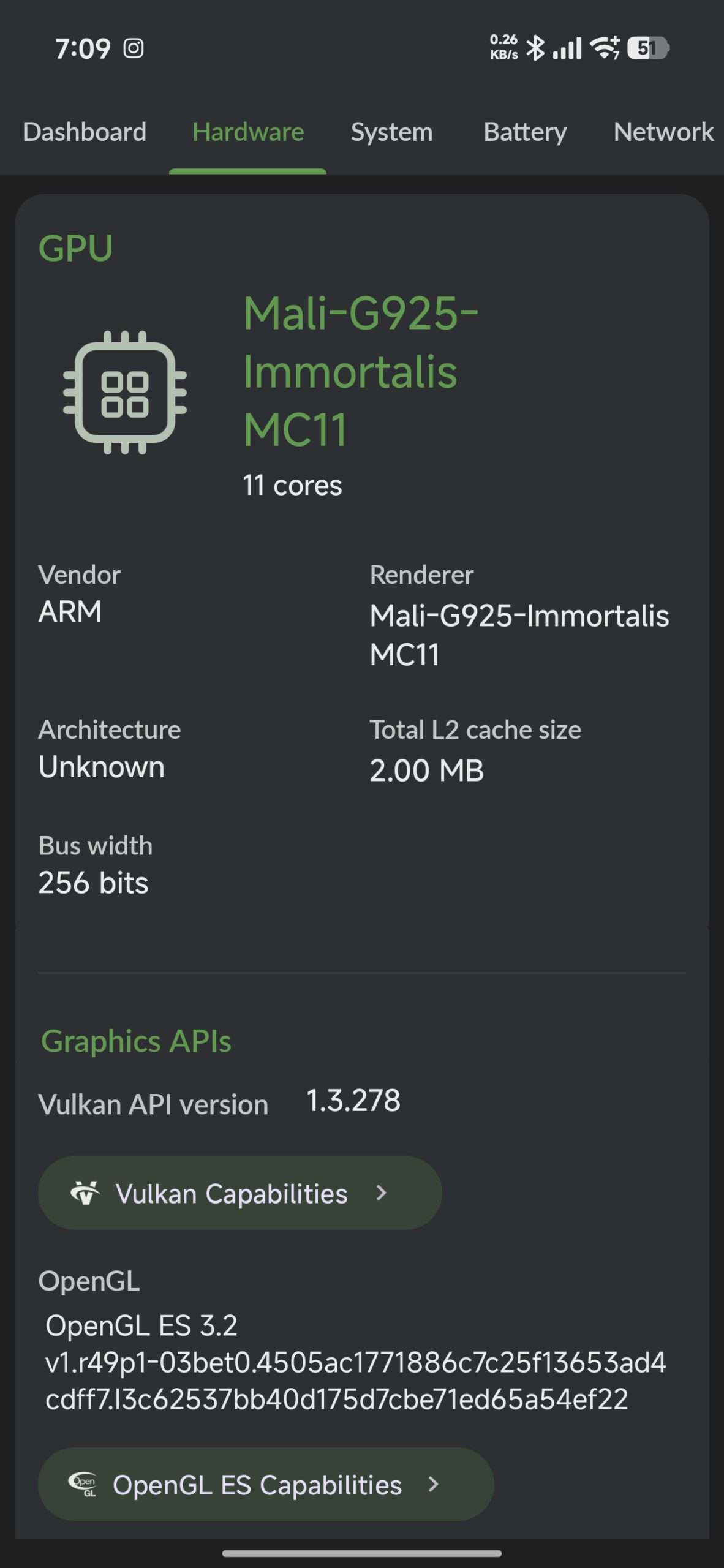
| Graphics (GPU) | Immortalis-G925 MC11 |
| RAM & Storage | 12GB LPDDR5X RAM & 256GB UFS 4.1 |
| Rear Camera | Dual Setup: |
| • 50 MP Main (f/1.51, Light Fusion 600, PDAF, OIS) | |
| • 8 MP Ultra-wide (f/2.2) | |
| Front Camera | 20 MP (f/2.2) |
| Battery | 8,500 mAh Silicon-Carbon battery |
| Charging | 100W HyperCharge wired, 27W reverse wired charging |
| Operating System | Android 16 with HyperOS 3 Until 2032 – 4 major Android OS updates and 6 years of security patches |
| Connectivity | 5G, Dual SIM + eSIM, Wi-Fi 7 Dual Band, Bluetooth 6.0, NFC, IR Blaster |
| Audio | Symmetrical stereo speakers, Dolby Atmos, Dual-Mic array |
| Biometrics & Sensors | Ultrasonic under-display fingerprint sensor, X-axis linear motor, Flicker sensor, Ambient light, Gyro |
Processor Specifications
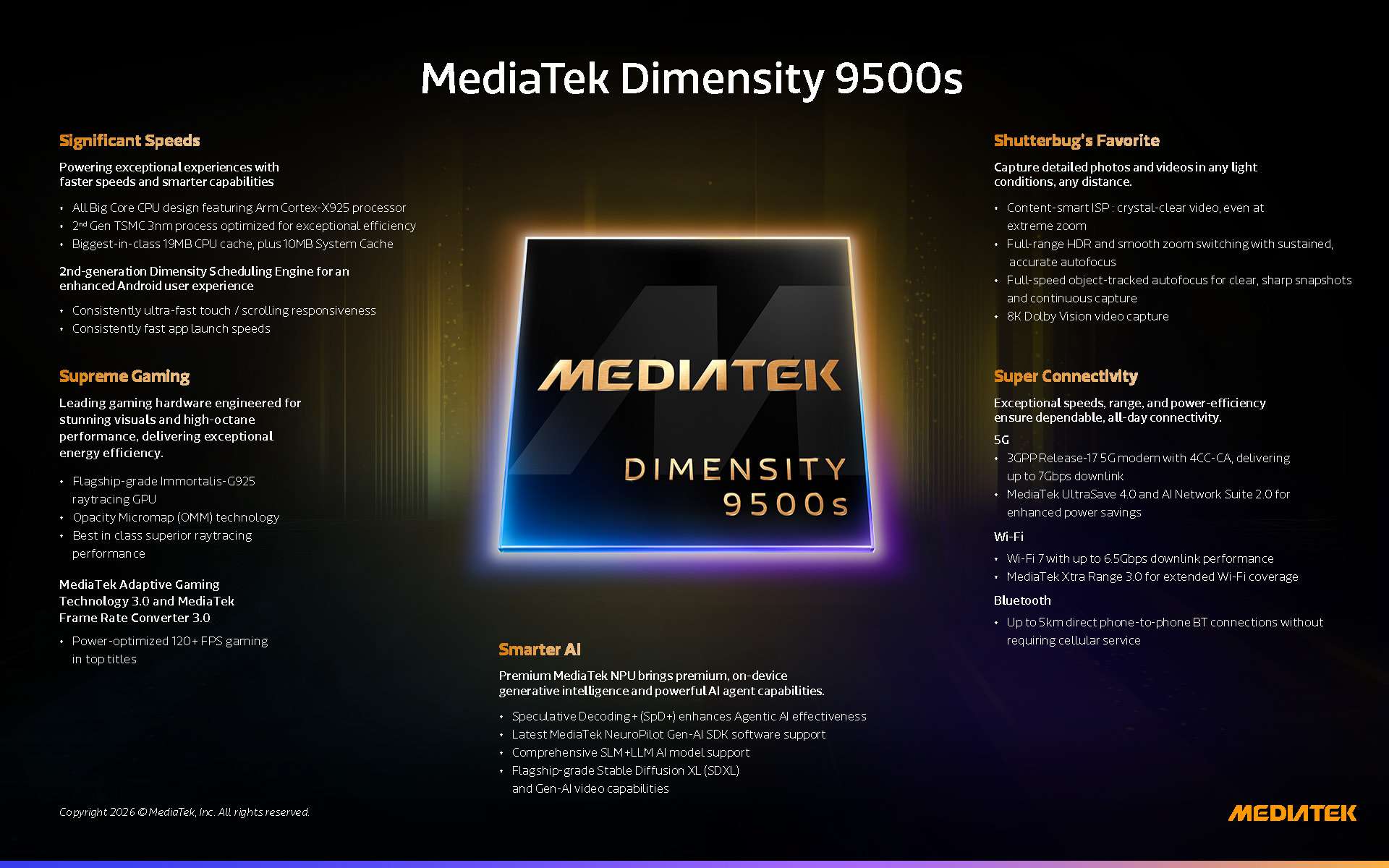
| Feature | Dimensity 9500 | Dimensity 9500s |
| Process Node | TSMC 3nm (N3P) | TSMC 3nm (N3E) |
| CPU Architecture | All-Big-Core (8 Cores) | All-Big-Core (8 Cores) |
| Core Configuration | 1x Arm C1-Ultra @ 4.21GHz | 1x Arm Cortex-X925 @ 3.73GHz |
| 3x Arm C1-Premium @ 3.50GHz | 3x Arm Cortex-X4 | |
| 4x Arm C1-Pro @ 2.70GHz | 4x Arm Cortex-A720 | |
| Total CPU Cache | 16MB L3 + 10MB SLC | 12MB L3 + 10MB SLC |
| Graphics (GPU) | Arm Mali-G1 Ultra MC12 | Arm Immortalis-G925 (11-Core) |
| AI Processor (NPU) | MediaTek NPU 990 (Agentic AI) | MediaTek NPU 890 (Generative AI) |
| Memory Support | LPDDR5X (Up to 10667 Mbps) | LPDDR5X |
| Storage Support | UFS 4.1 (4-lane) | UFS 4.1 |
| Max Display Refresh | WQHD+ @ 180Hz | WQHD+ @ 180Hz |
| Camera / ISP | Imagiq 1190 (Up to 320MP) | MediaTek Imagiq (Up to 320MP) |
| Max Video Capture | 8K @ 60 FPS / 4K @ 120 FPS | 8K @ 60 FPS |
| Connectivity | Wi-Fi 7 Dual Band / Bluetooth 6.0 / 5G | Wi-Fi 7 Dual Band / Bluetooth 6.0 / 5G |
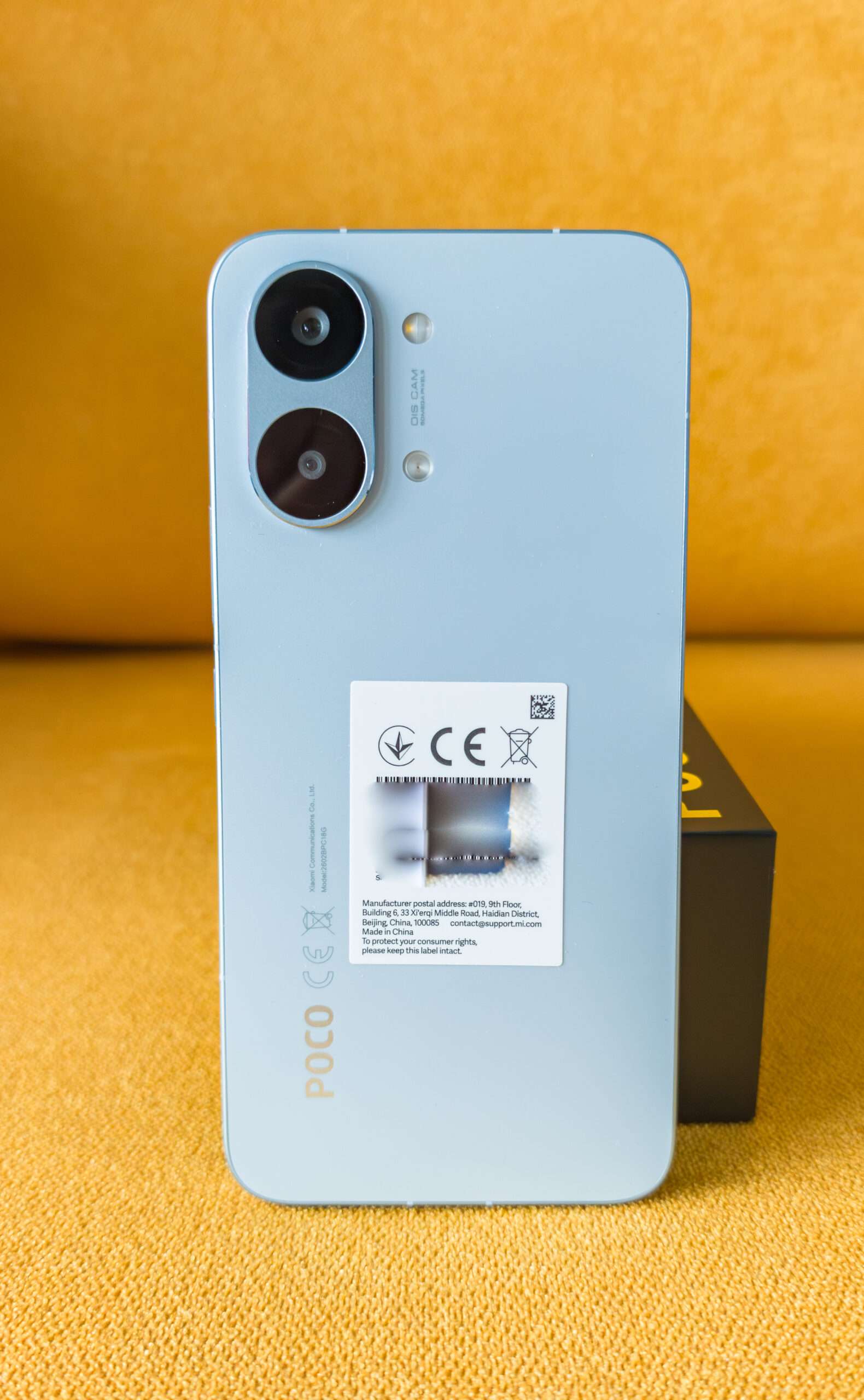
The camera module is positioned in the upper-left corner and houses the dual-camera system alongside an LED flash. Rather than using an oversized camera island, POCO has opted for a relatively compact module that integrates seamlessly into the rear panel, resulting in a cleaner and more refined overall design. The slightly raised camera housing provides adequate protection for the lenses while minimizing wobble when the phone is placed on a flat surface.
Unlike many competitors that emphasize high megapixel counts, the POCO X8 Pro Max takes a more balanced approach by focusing on a capable primary camera supported by optical image stabilization (OIS). While it doesn’t aim to compete directly with ultra-premium camera flagships, it delivers reliable image quality that will satisfy most users for everyday photography and social media content.
360° Ambient Light Sensor: Right below the Flash Light
Many modern POCO phones feature a 360° Ambient Light Sensor setup.
Instead of relying solely on a single front sensor—which can easily get confused if your hand blocks it or if you are sitting with a bright light directly behind you—these devices utilize dual light sensors (one on the front, typically integrated near the earpiece or under the display, and another on the rear camera module).
How It Works
-
Front Sensor: Measures the light hitting the screen directly from your point of view.
-
Rear Sensor: Monitors backlight or environmental glare coming from behind the phone.
By combining data from both sensors, the phone’s software can calculate the true lighting condition of your surroundings. This prevents the screen from abruptly dimming or brightening when a shadow passes over just one side of the phone.
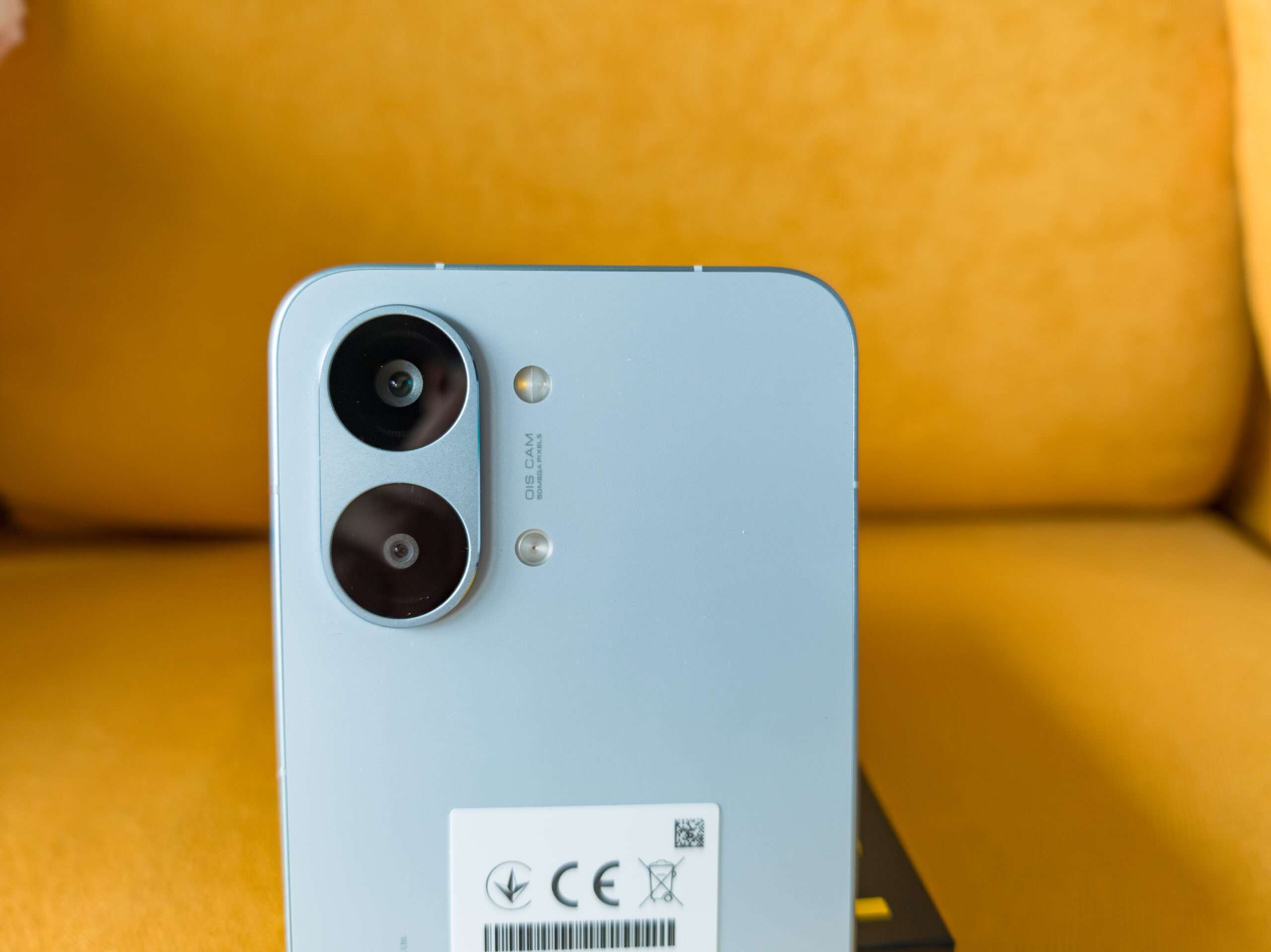
Main Camera – 50MP Sony LYT-600
The POCO X8 Pro Max is equipped with a 50MP Sony LYT-600 image sensor, paired with a bright f/1.5 aperture, Phase Detection Autofocus (PDAF), and Optical Image Stabilization (OIS). This combination enables the camera to capture more light while delivering faster focusing performance and improved handheld stability.
By default, the camera employs 4-in-1 pixel binning, combining four adjacent pixels into one larger effective pixel to generate 12.5MP images. This process improves light-gathering capability, reduces image noise, and enhances dynamic range, resulting in cleaner and more detailed photographs in both daylight and low-light environments.
| Optical Format | Pixel Size | Effective Resolution | Frame Rate | Multi Frame ⁻HDR | Auto Focus | |
| @4K | ||||||
| Sony LYTIA 610 | 1/2” | 0.7μm | 64MP | 30Fps All-pixel AF and non-HDR mode | LBMF | ALL AF |
Rear Camera System
The POCO X8 Pro Max features a dual-camera setup consisting of:
- 50MP main camera
- 1/1.95-inch image sensor
- f/1.5 aperture
- Optical Image Stabilization (OIS)
- Phase Detection Autofocus (PDAF)
- 8MP ultra-wide camera
- 120° field of view
- f/2.2 aperture
Camera Specifications
| Camera | Specification |
|---|---|
| Main Camera | 50MP Sony LYT-600, f/1.5, Optical Image Stabilization (OIS) |
| Ultra-wide Camera | SmartSens SC821CS CMOS – 8MP, 120° Field of View |
| Front Camera | OmniVision OV20VB – 20MP Selfie |
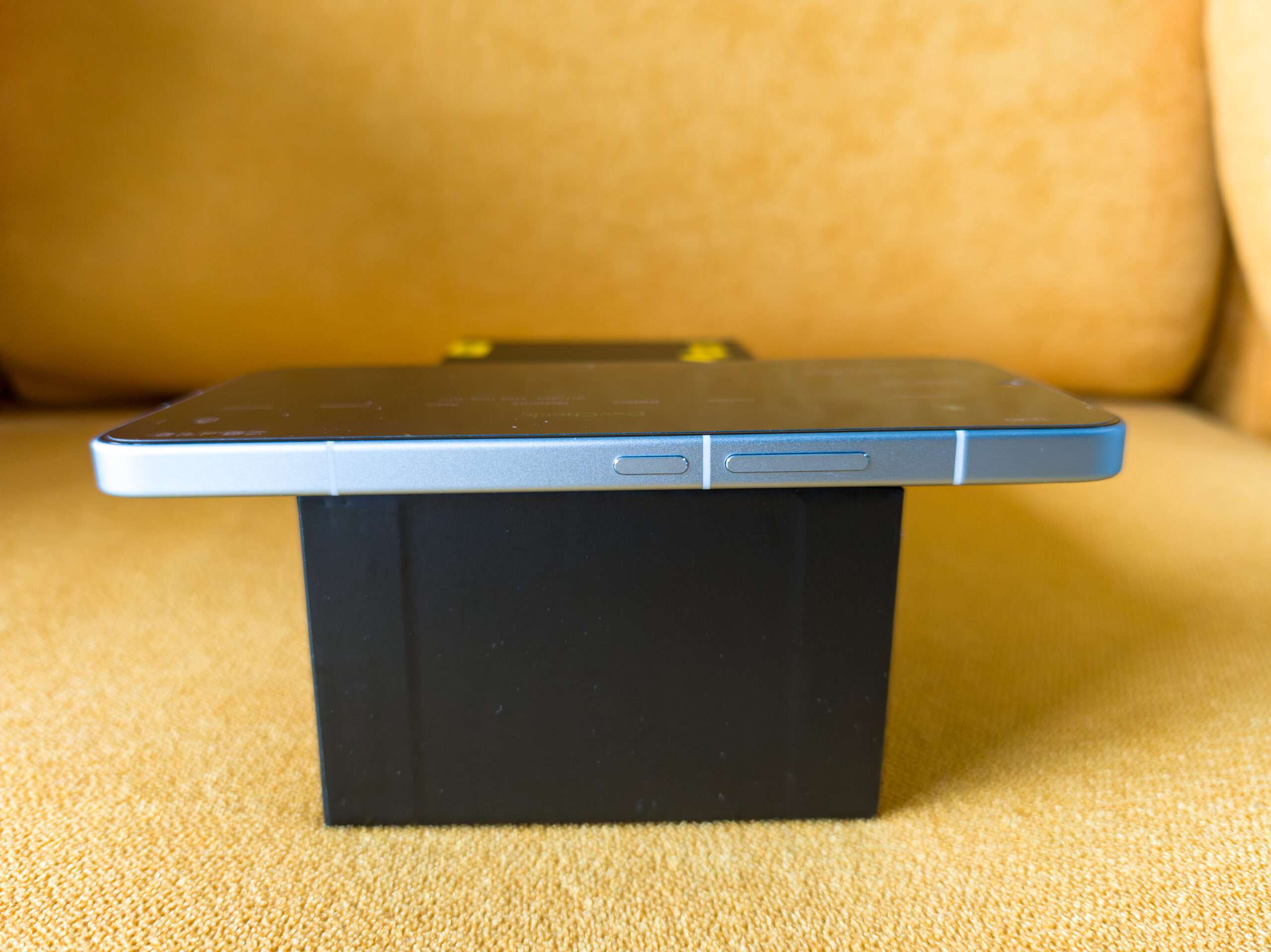
It’s adopts a clean and ergonomic physical layout that prioritizes comfort and accessibility. The device features a flat aluminum frame with gently rounded corners, providing a secure grip while maintaining a premium in-hand feel. The flat-sided design also complements the modern aesthetic and makes the phone easier to hold during gaming or extended use.
Right Side
Located on the right edge are the volume rocker and power button, both positioned within easy reach for one-handed operation. The buttons offer a firm, tactile click with minimal wobble, reflecting the phone’s solid construction.
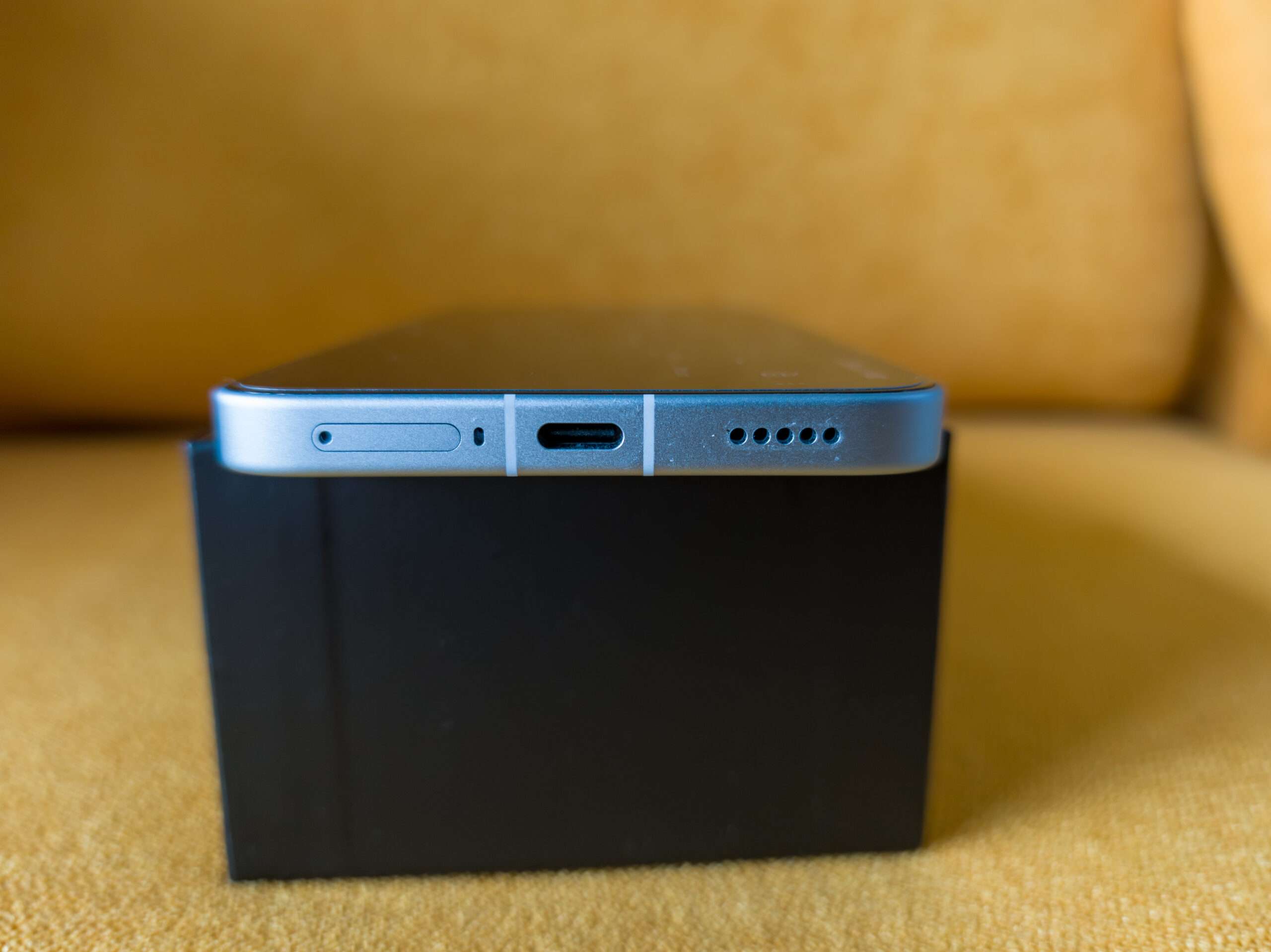
- USB PD Type-C (USB 2.0) port
- Primary loudspeaker
- Primary microphone
- Dual Nano-SIM tray (or Nano-SIM + eSIM, depending on region)
While the USB Type-C connector supports 100W HyperCharge, 27W wired reverse charging, and OTG, it is based on the USB 2.0 standard. As a result, data transfer speeds are limited compared to smartphones equipped with USB 3.x interfaces, and the device does not support DisplayPort Alt Mode for external display output.
Top Edge
The top frame houses:
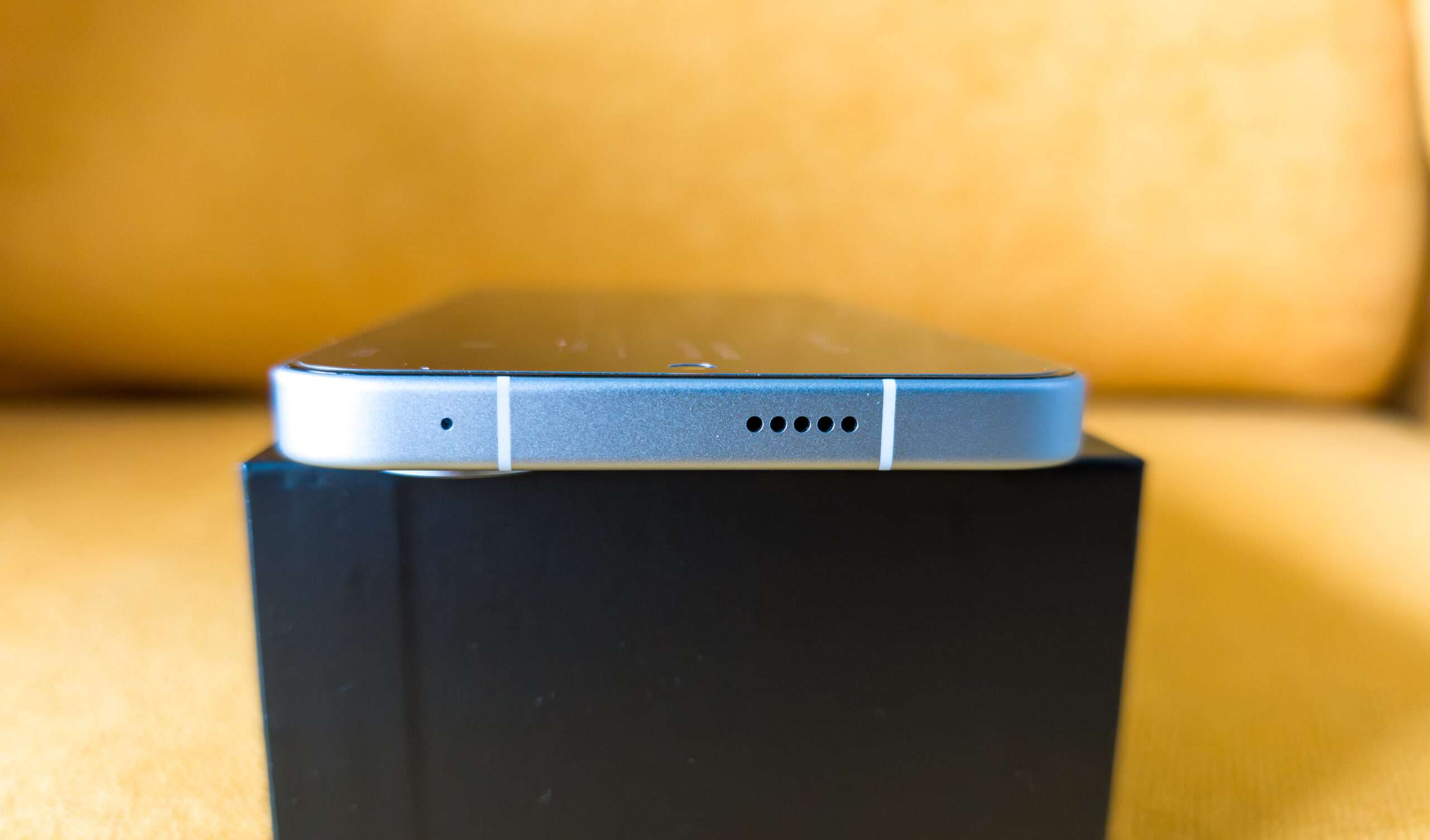
- Secondary microphone for noise cancellation
- Infrared (IR) Blaster
- Secondary stereo speaker
The inclusion of the IR Blaster remains a useful feature that allows the POCO X8 Pro Max to function as a universal remote for compatible televisions, air conditioners, projectors, and other household appliances.
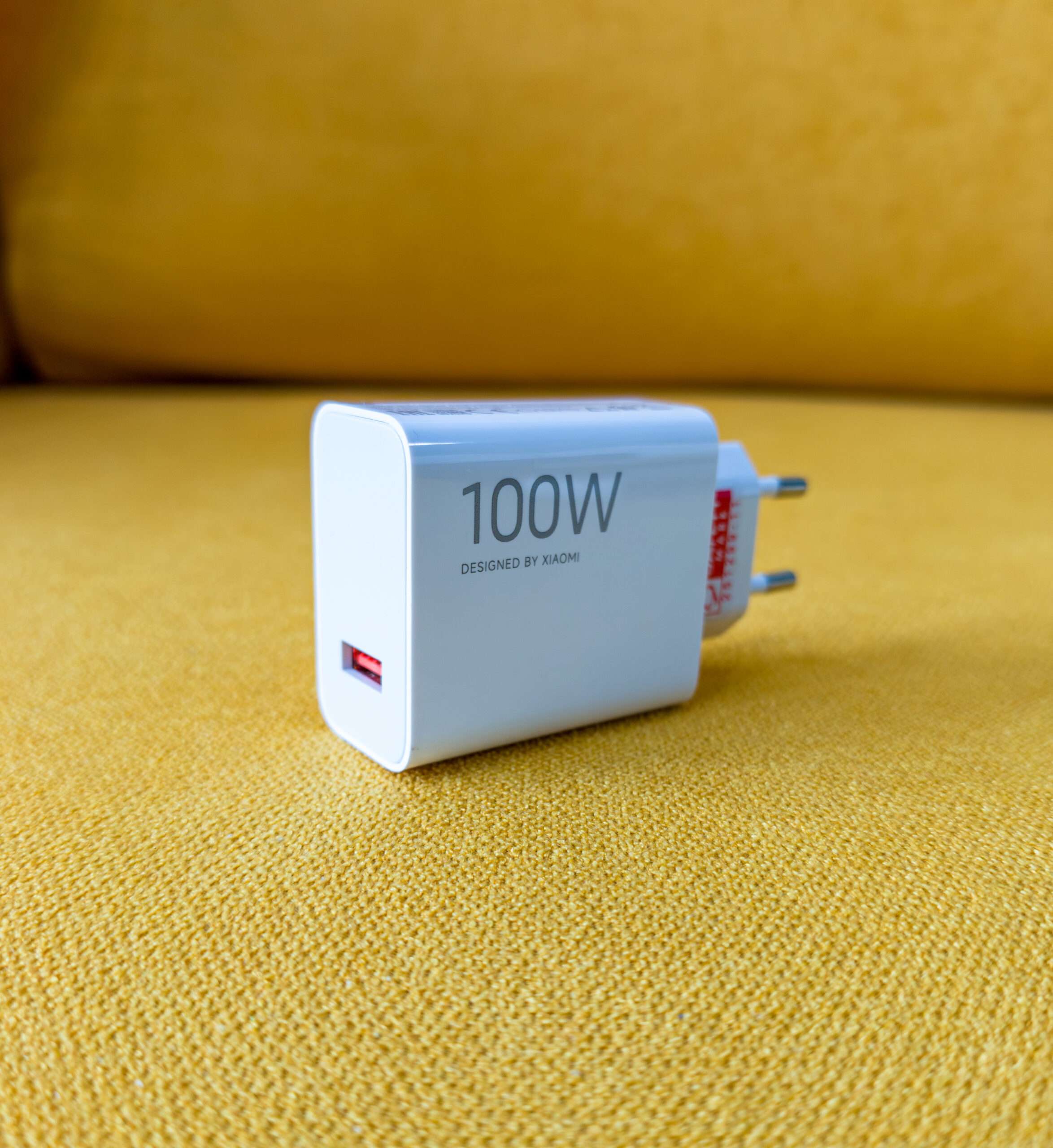
Included in the box is Xiaomi’s 100W HyperCharge Power Adapter (Model: MDY-19-ER), allowing users to take full advantage of the POCO X8 Pro Max’s maximum charging capability right out of the box without the need to purchase a separate charger. The package also includes a USB-A to USB-C 6A charging cable, which is required to achieve the phone’s full 100W HyperCharge speed.
Charger Specifications
| Specification | Details |
| Model | MDY-19-ER |
| Input | 100–240V~, 50/60Hz, 2.5A |
| Output Port | USB-A |
| Maximum Output | 100W |
| Charging Protocols | Xiaomi HyperCharge, USB PD, PPS, Qualcomm Quick Charge |
| Included Cable | USB-A to USB-C (6A) |
The charger supports multiple output profiles for compatibility with a wide range of devices:
- 5V ⎓ 3A (15W)
- 9V ⎓ 3A (27W)
- 11V ⎓ 6.1A (67W Max)
- 20V ⎓ 5A (100W Max)
- 21V ⎓ 4.75A (99.75W Max)
- Programmable Power Supply (PPS): 5–20V ⎓ 3–5A (100W Max)
Notice:
In addition to Xiaomi’s proprietary HyperCharge technology, the included charger also supports USB Power Delivery (PD) and Programmable Power Supply (PPS) standards. This makes it compatible with a wide range of smartphones, tablets, handheld gaming devices, and selected USB-C laptops.
However, Xiaomi’s proprietary HyperCharge protocol is only available on supported Xiaomi, Redmi, and POCO devices, allowing them to achieve the highest charging speeds. Other USB-C devices will charge using their respective USB PD or PPS profiles rather than Xiaomi HyperCharge.
One of the most distinctive design elements of the POCO X8 Pro Max is its integrated RGB lighting system, located around the rear camera module. Unlike conventional notification LEDs, POCO has transformed the lighting into a multifunction feature that enhances both aesthetics and usability.
The RGB light ring can illuminate in different colors and animation patterns depending on the selected event or system status. Users can customize the lighting through the HyperOS settings, allowing it to serve as both a visual notification indicator and a gaming accent.
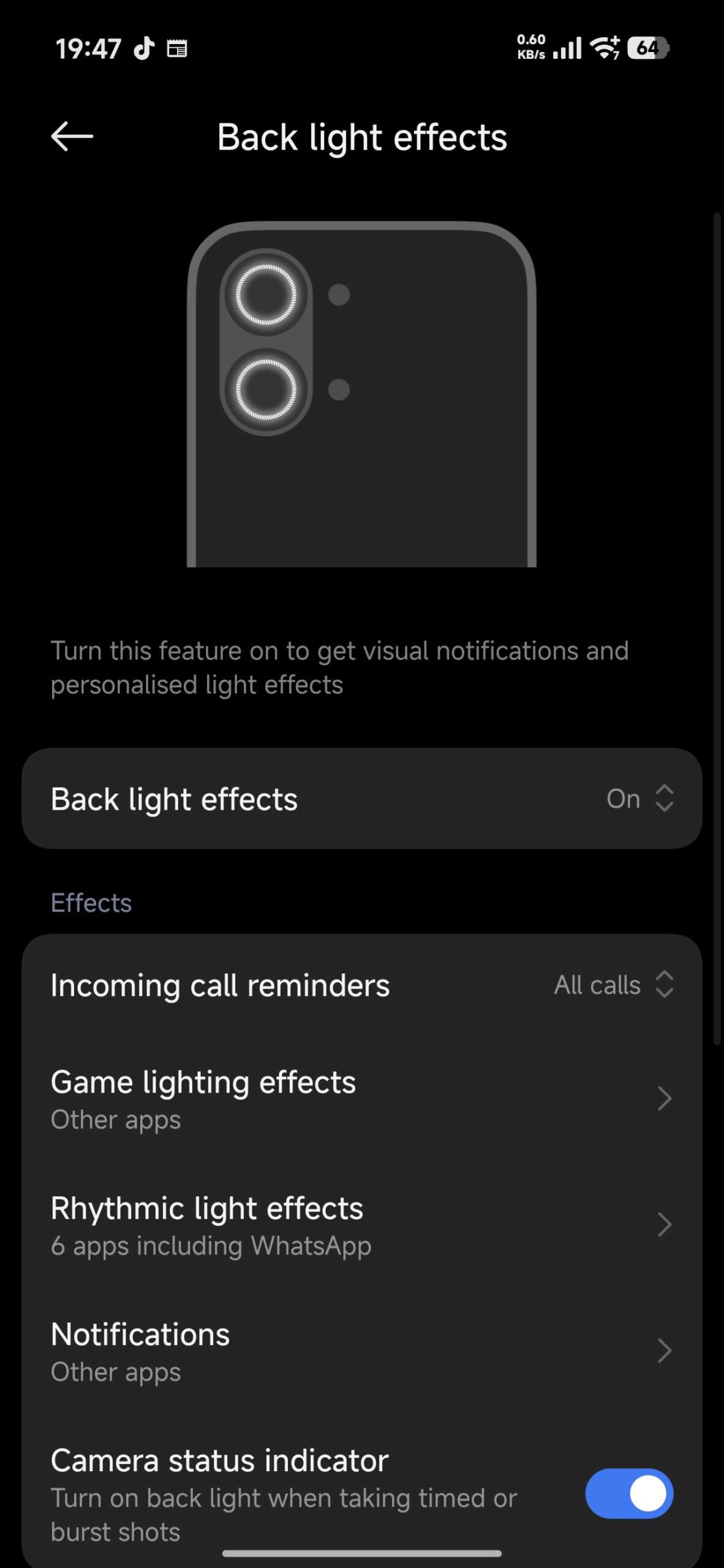
The RGB lighting supports various scenarios, including:
- Incoming calls
- Message and app notifications
- Battery charging status
- Music playback effects
- Gaming mode
- Timer and alarm notifications
- Custom lighting effects
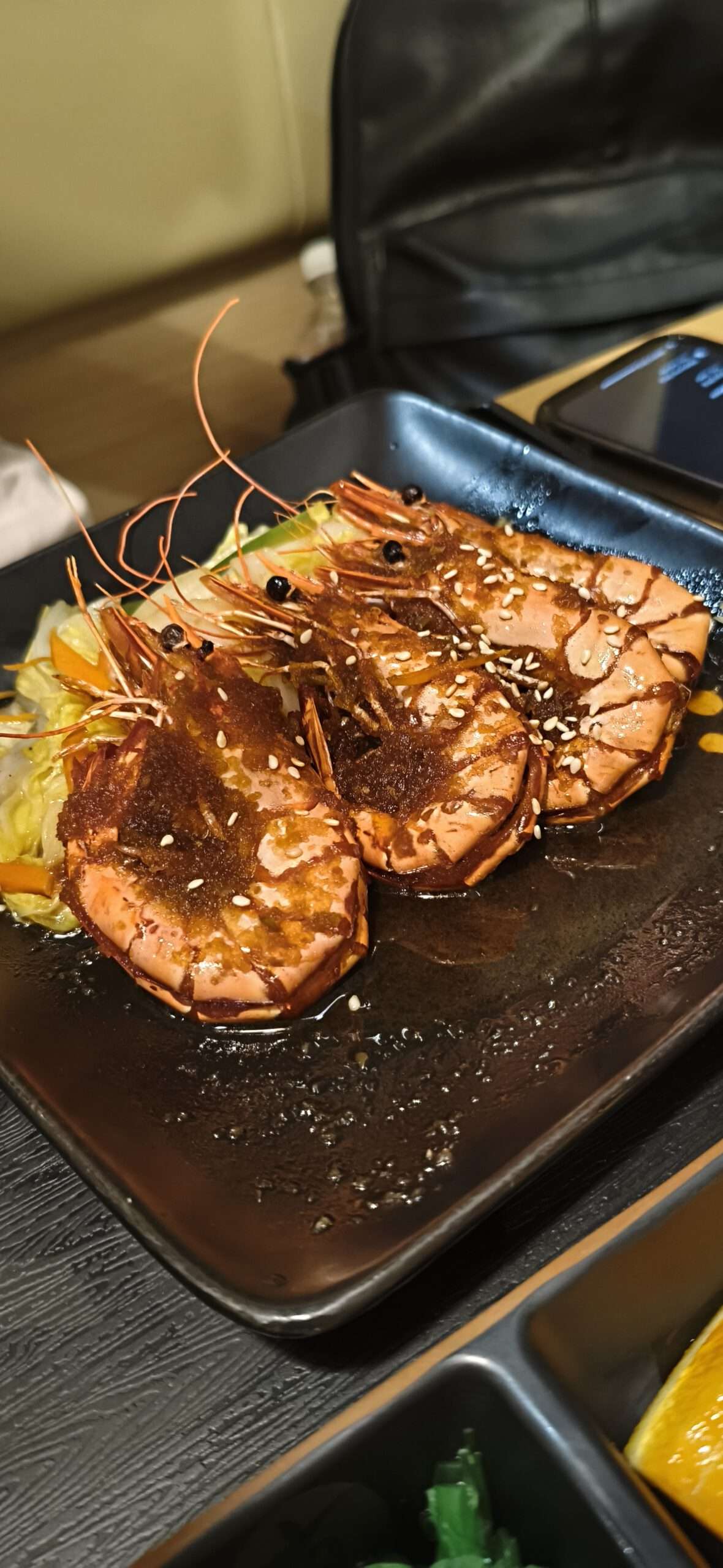
Main Camera Daylight – Photoshooting Food & Indoor
While detail retention is excellent, the camera’s color processing tends to produce a slightly washed-out appearance in certain scenes. Colors are rendered with a more neutral tone rather than the vibrant, punchy look favored by some competing smartphones. As a result, food may appear less saturated and slightly flatter straight out of the camera, particularly under indoor lighting.









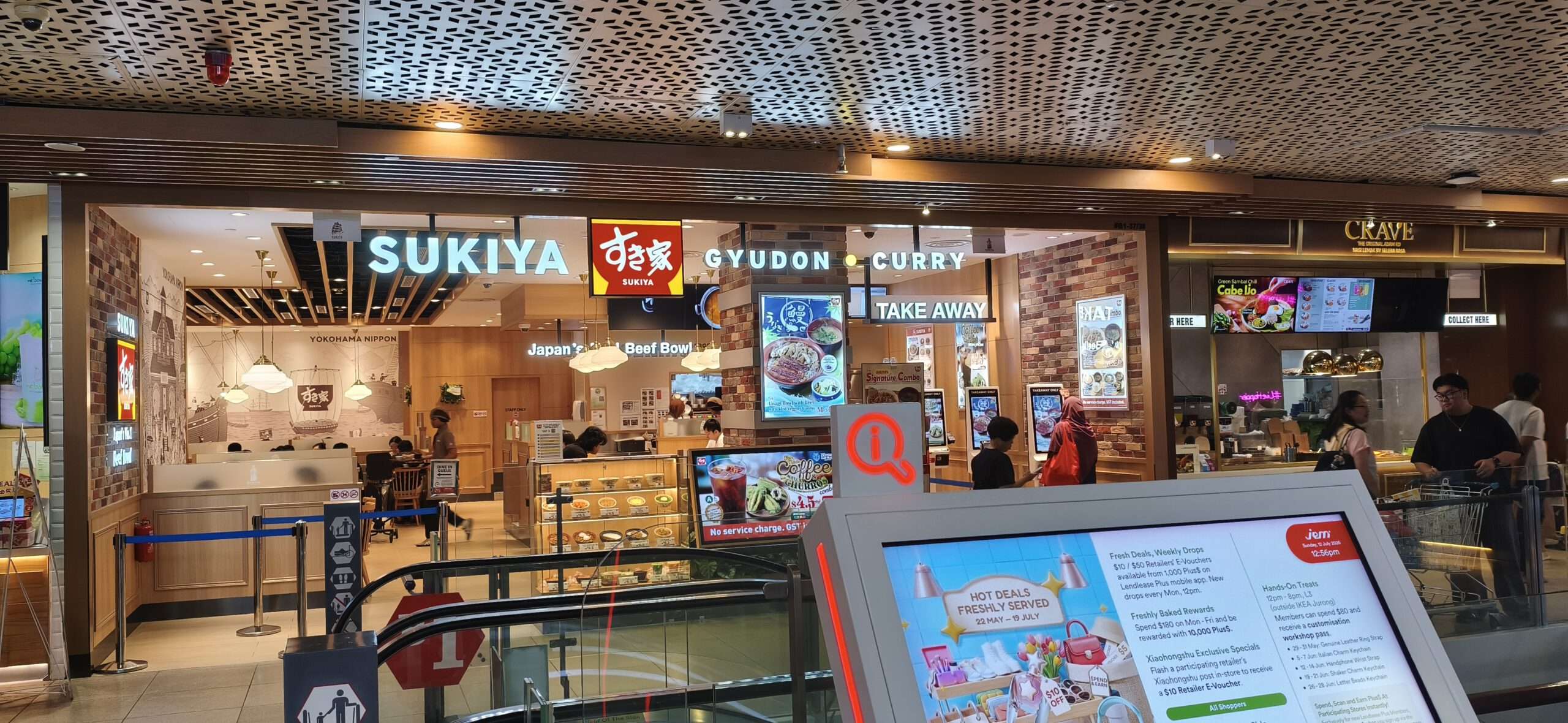
Main Camera Daylight – Photoshooting Outdoor
While images appear natural and realistic, they can sometimes lack vibrancy, causing colors to look slightly muted or less saturated than expected. Blue skies, green vegetation, and colorful subjects may not appear as vivid as those captured by some competing smartphones, giving outdoor photos a somewhat flatter overall appearance.







Secondary Camera Wide – Photoshooting Outdoor



Main Camera Daylight – 2x Digital Zoom Photoshooting Outdoor


Video Recording: OIS & EIS Support
The ShootSteady enabling image stabilization, which counters hand movements and slight shakes that can make videos appear blurry or wobbly, especially in low light or zoomed-in shots. For action shots or recording while moving, stabilization prevents the video being impacted, which is great for capturing dynamic scenes like sports or walking tours. Stabilization helps the camera maintain a steady view on the main subject.
- OIS (Optical Image Stabilization) = Hardware stabilization by physically moving the lens/sensor.
- ShootSteady = Software-based EIS that digitally stabilizes video by cropping and correcting motion.
| Resolution | ShootSteady EIS |
| 720P | Not Supported |
| 1080P 30FPS | Supported |
| 1080P 60FPS | Not Supported |
| 4K 30FPS | Not Supported |
| 4K 60FPS | Not Supported |
Video Recording: 1080P ShootSteady Enable – EIS
When recording video with ShootSteady enabled, the camera uses EIS to digitally compensate for camera shake by analyzing motion between frames and applying real-time stabilization. This results in noticeably smoother handheld footage, particularly while walking or recording moving subjects. Walking shots exhibited minimal jitter, while slow panning movements remained fluid and controlled. Autofocus transitions were quick and reliable, allowing the camera to maintain focus on moving subjects with minimal hunting.
Video detail is excellent in good lighting, with the Sony LYT-600 sensor capturing sharp footage and preserving fine textures. Exposure adjustments are gradual, preventing sudden brightness shifts when moving between different lighting conditions. Colors remain natural, although, similar to still photography, the default color tuning is slightly conservative and may appear less vibrant than some competing smartphones.
Video Recording: 4K OIS Shootsteady Disable
OIS physically compensates for small hand movements by shifting the camera lens, helping to maintain image sharpness and reduce motion blur.
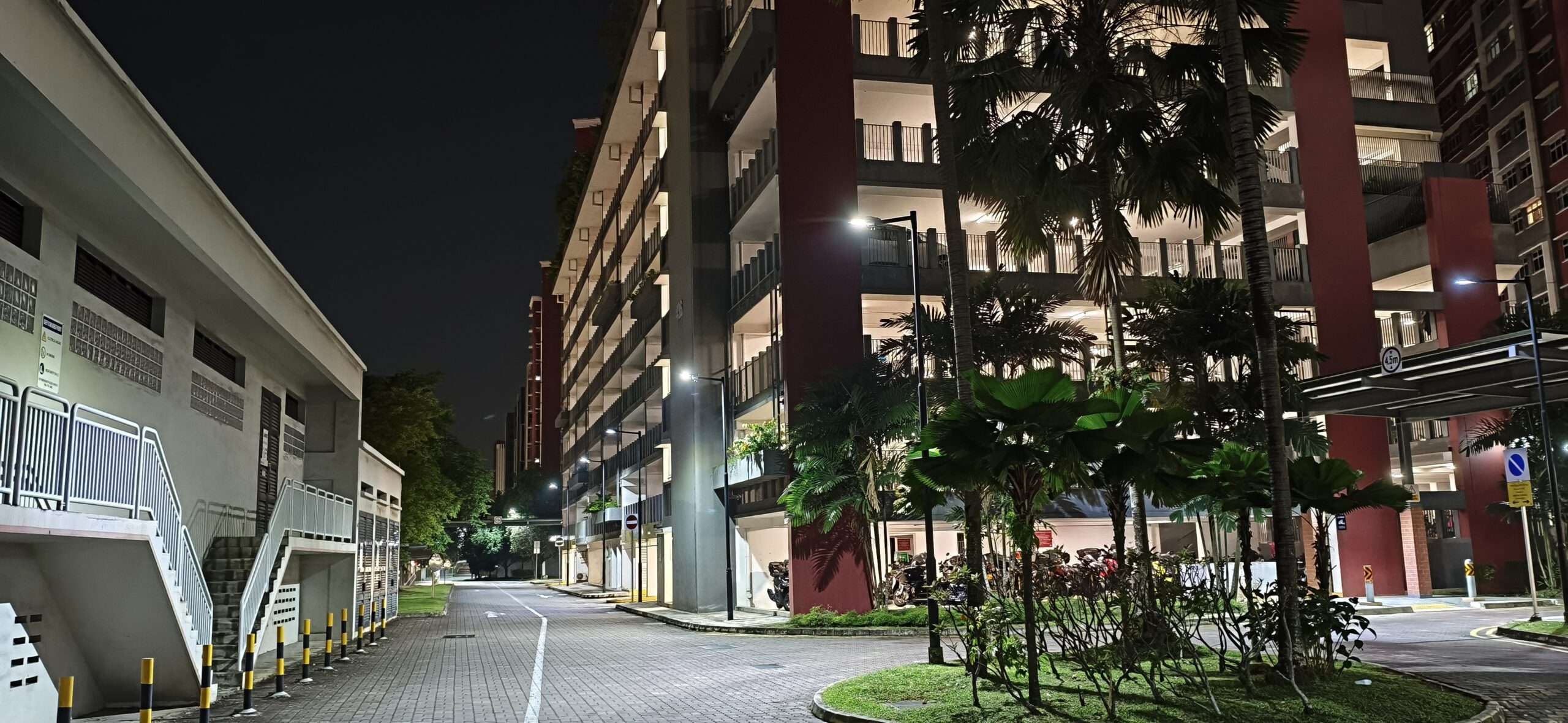
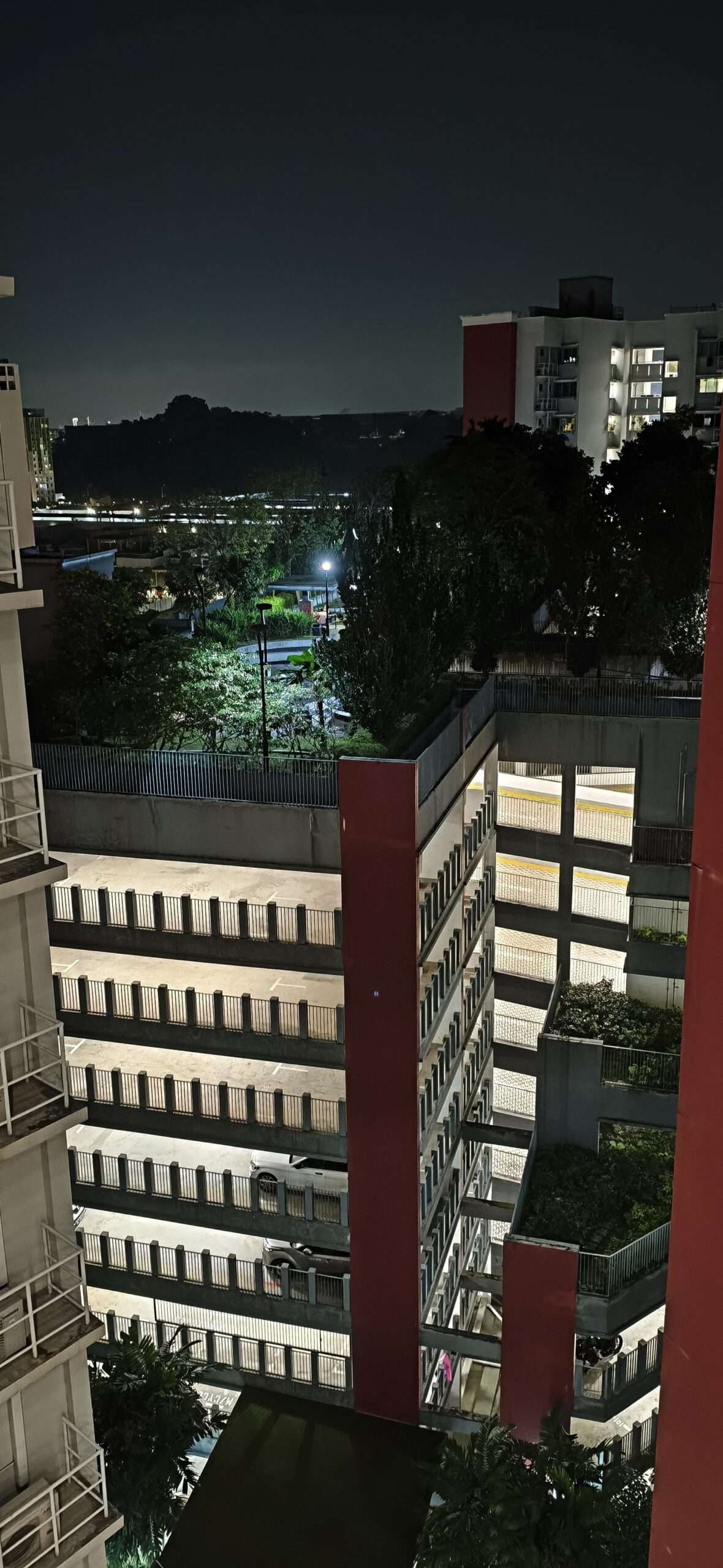
Main Camera Night – Photoshooting





Benchmark
We conduct a comparative evaluation between the Poco X8 Pro Max and the Xiaomi 17T Pro Performace. Both Smartphone using latest firmware and performace is set to Ultimate mode.
| Model | Poco X8 Pro Max | Xiaomi 17T Pro |
| CPU | MediaTek Dimensity 9500S – 8 Cores | MediaTek Dimensity 9500 – 8 Cores |
| GPU | Mali-G925 Immortalis – 11 Cores | Mali-G1 Ultra MC12 – 12 Cores |
| Ram | 12GB LPDDR5X | 12GB LPDDR5X |
| NPU | AI NPU 890 | AI NPU 990 |
| Storage | UFS 4.1 256GB | UFS 4.1 512GB |
| Android | 16 Baklava BP2A | 16 Baklava BP2A |
| Firmware | 3.0301.0 | 3.306.0 |
| Memory Cache | 8GB Memory extension | 8GB Memory extension |
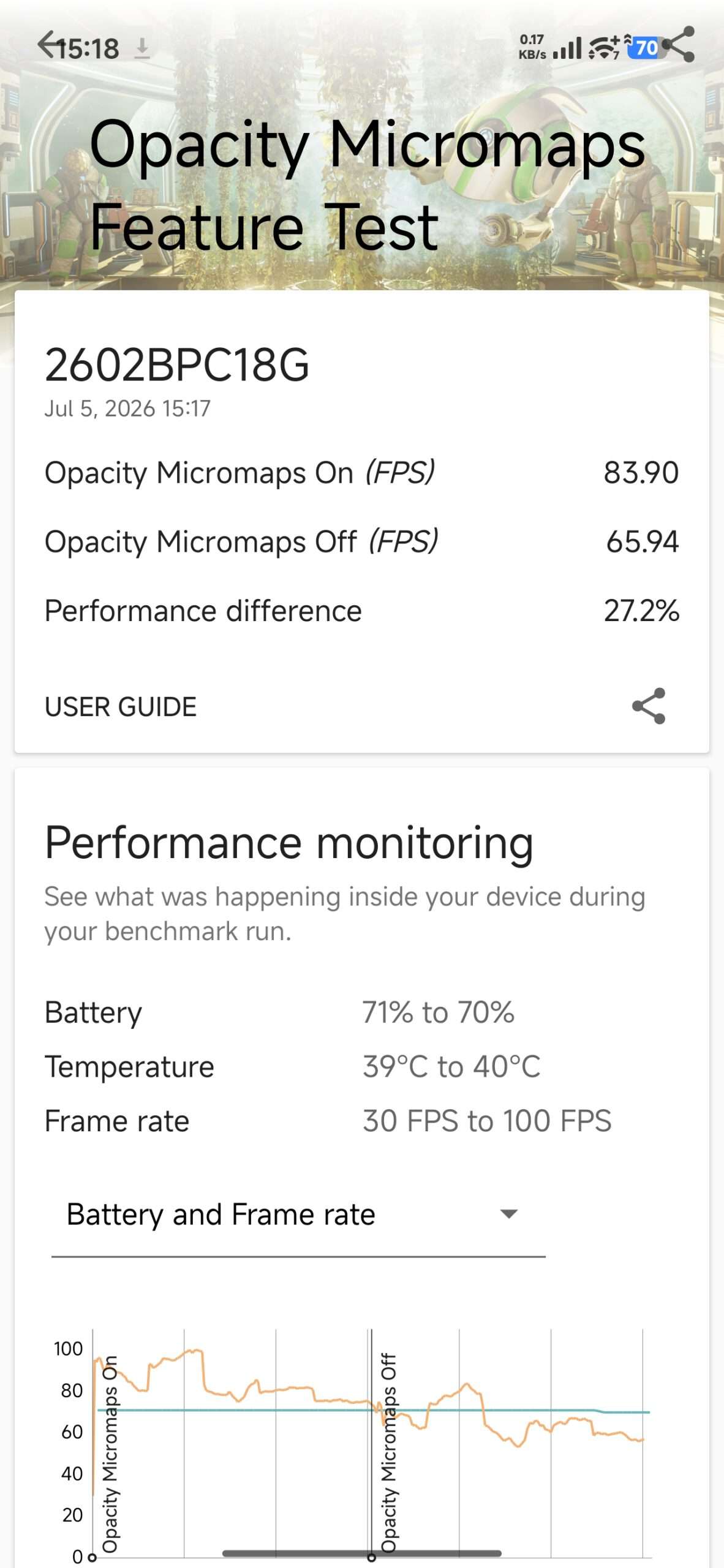
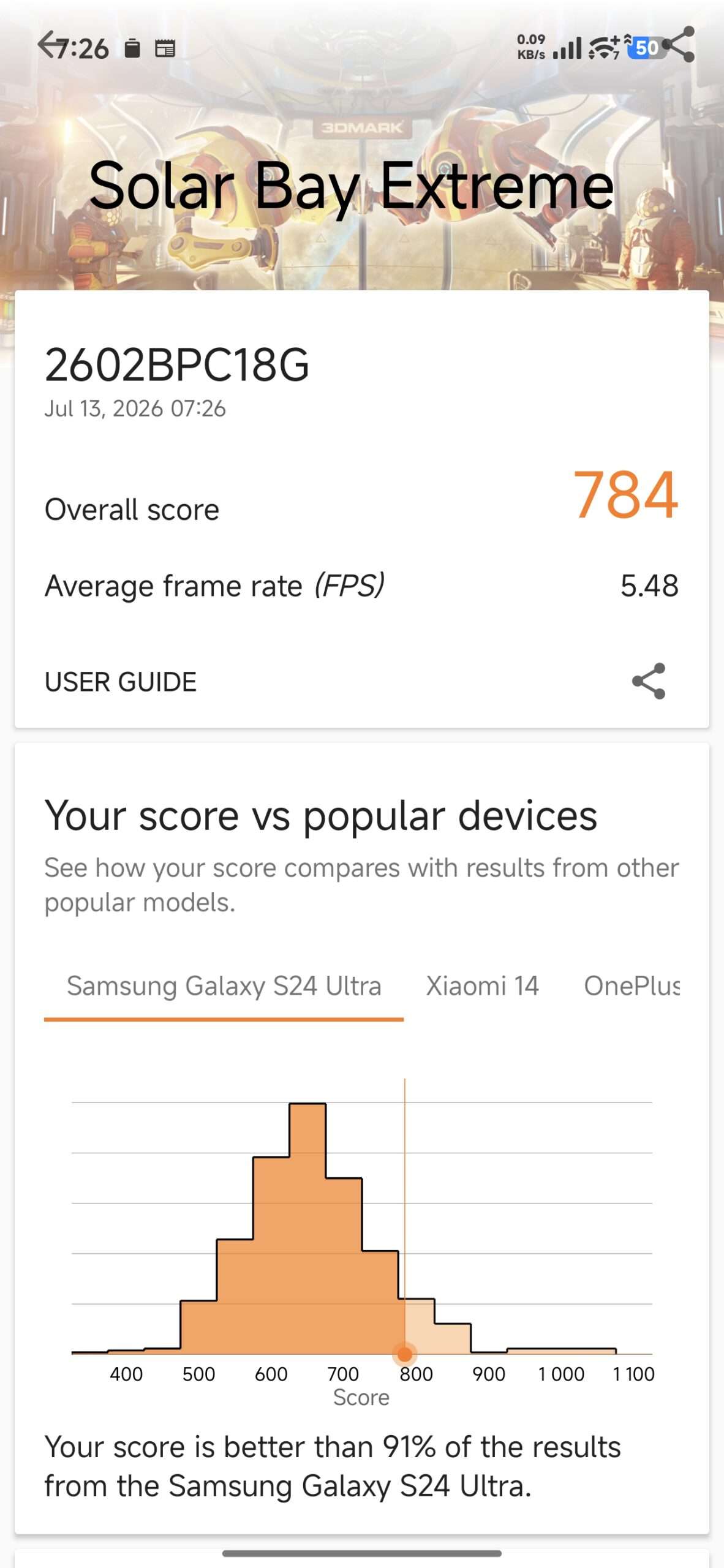
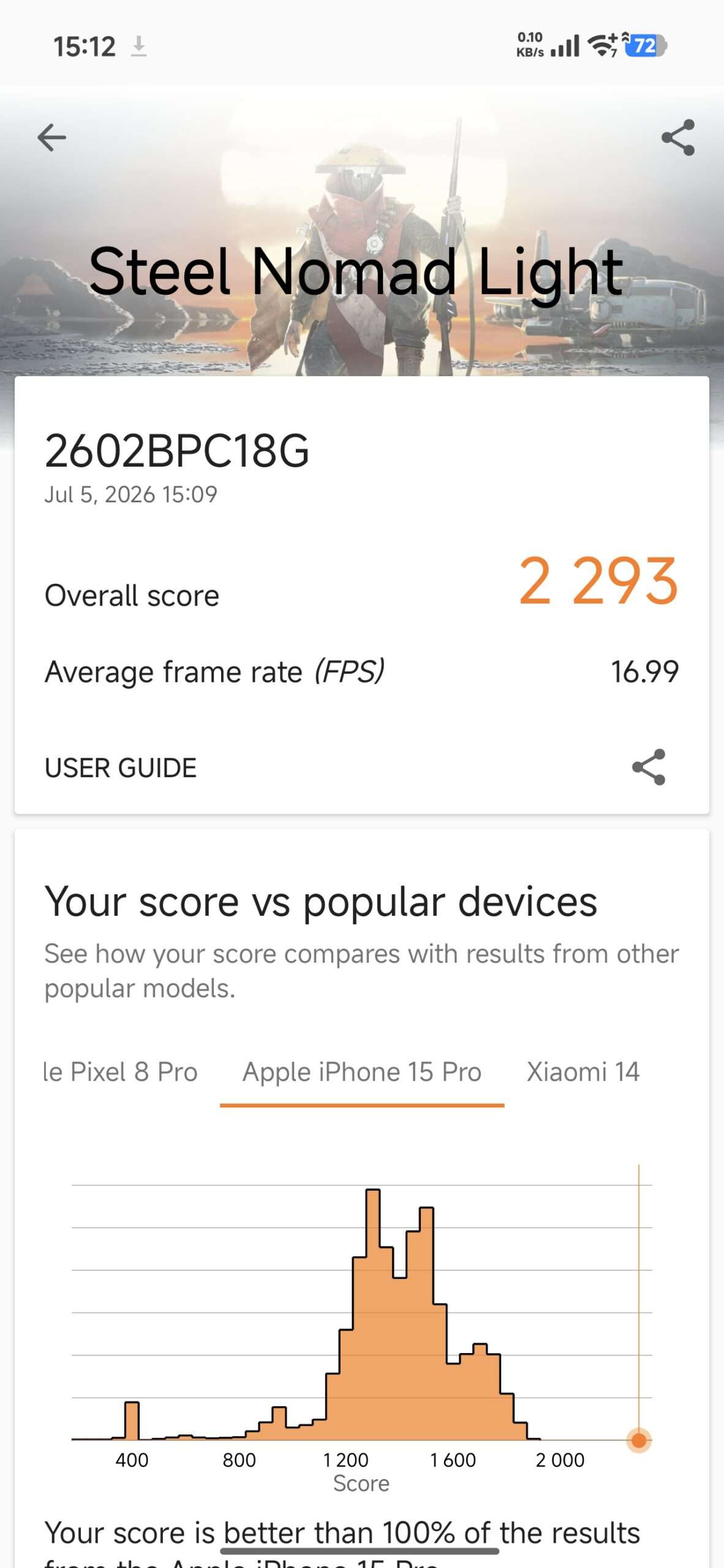
3Dmark Advanced Edition
3DMark includes everything you need to benchmark your PC and mobile devices in one app. Whether you’re gaming on a smartphone, tablet, notebook, or a desktop gaming PC, 3DMark includes a benchmark designed specifically for your hardware.
| Benchmark FPS | Poco X8 Pro Max | Xiaomi 17T Pro |
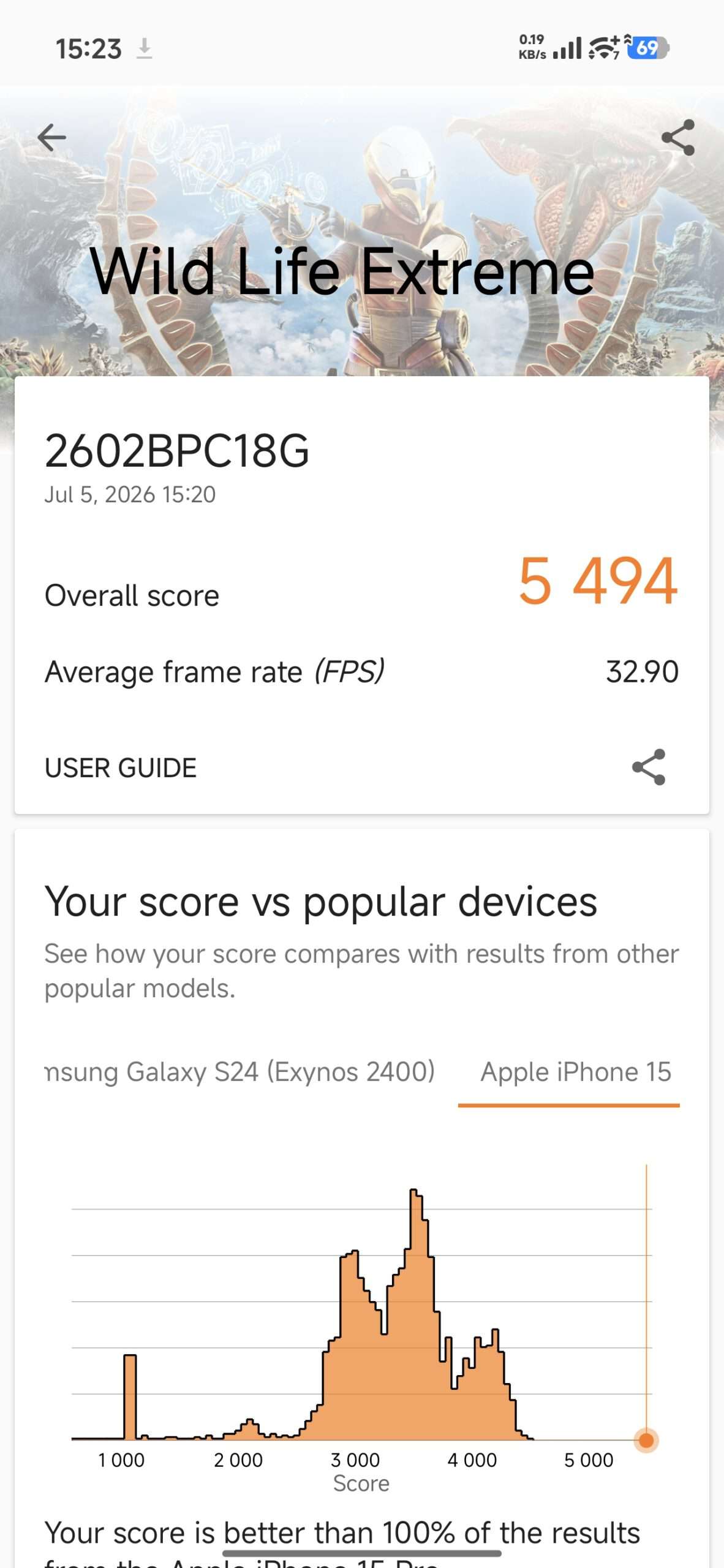
| Wild Life Extreme | 5494 | 6402 |
| Opacity Micomaps On | 83.9 | 118 |
| Steel Nomad Light | 2293 | 2555 |
| Solar Bay Extreme | 784 | 1338 |
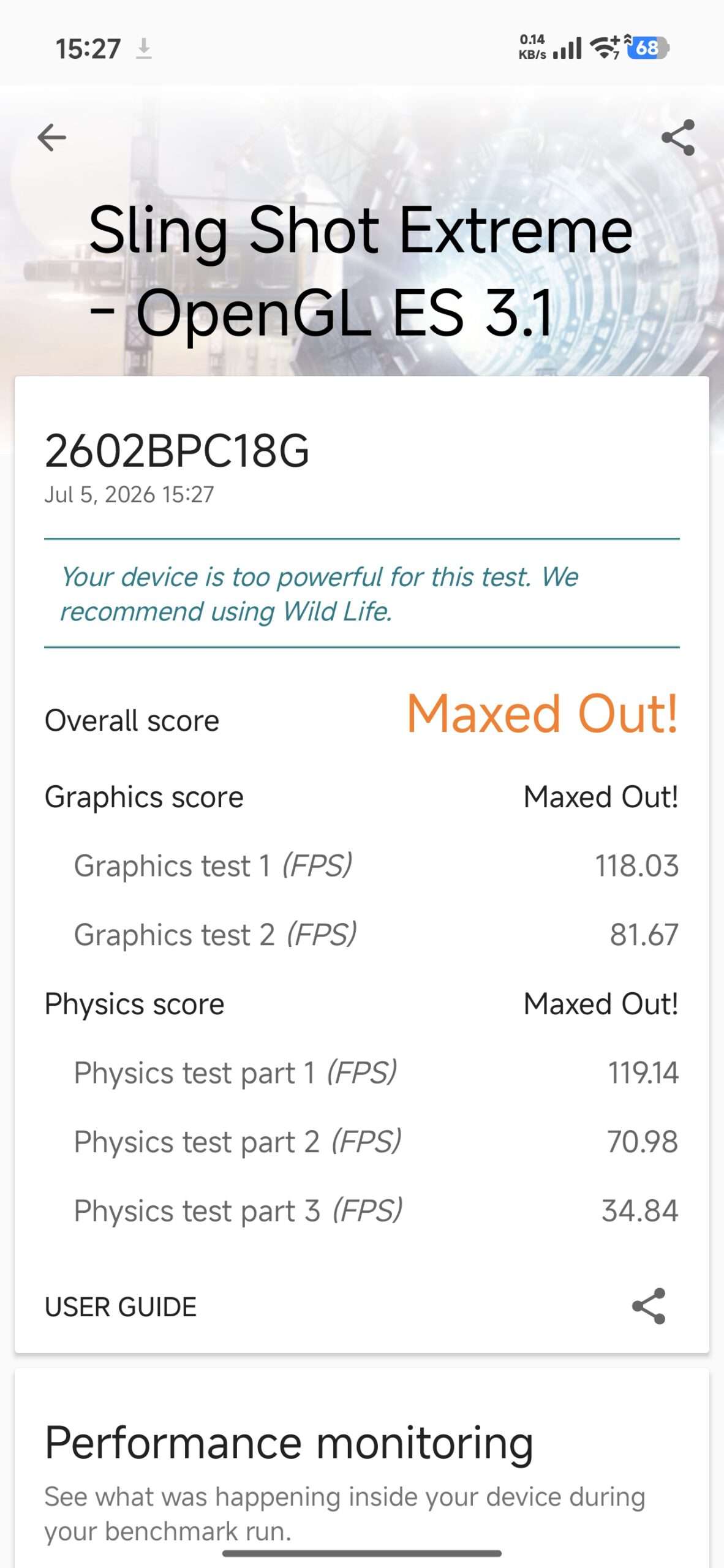
| Sling Shot Extreme | Maxed Out | Maxed Out |
PCMark for Android
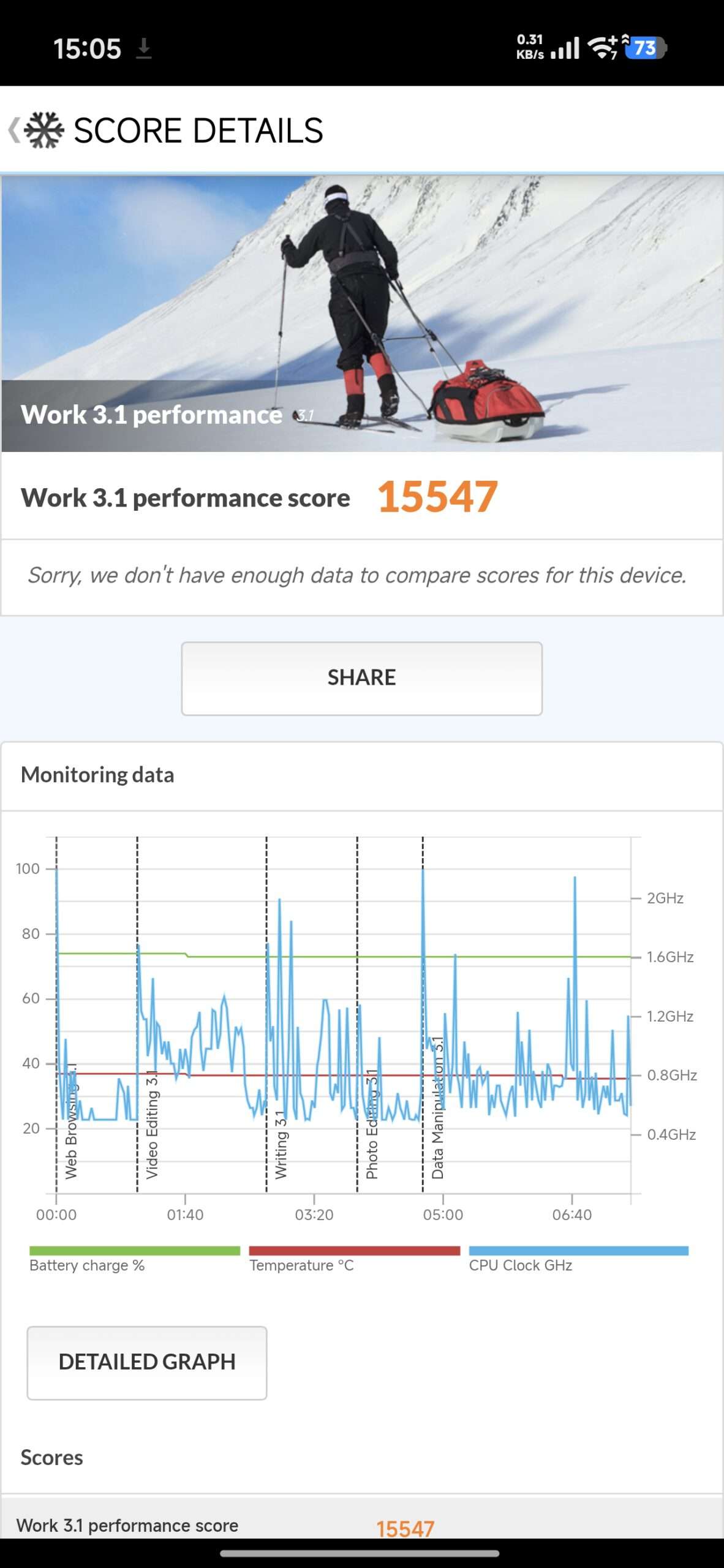
PCMark Android features a comprehensive set of tests that cover the wide variety of tasks performed in the modern workplace. With a range of performance tests, custom run options, Battery Life Profile, and new Storage benchmarks, PCMark is the complete smartphone benchmark for the modern office.
| Benchmark | Poco X8 Pro Max | Xiaomi 17T Pro |
| Work 3.1 | 15547 | 15219 |
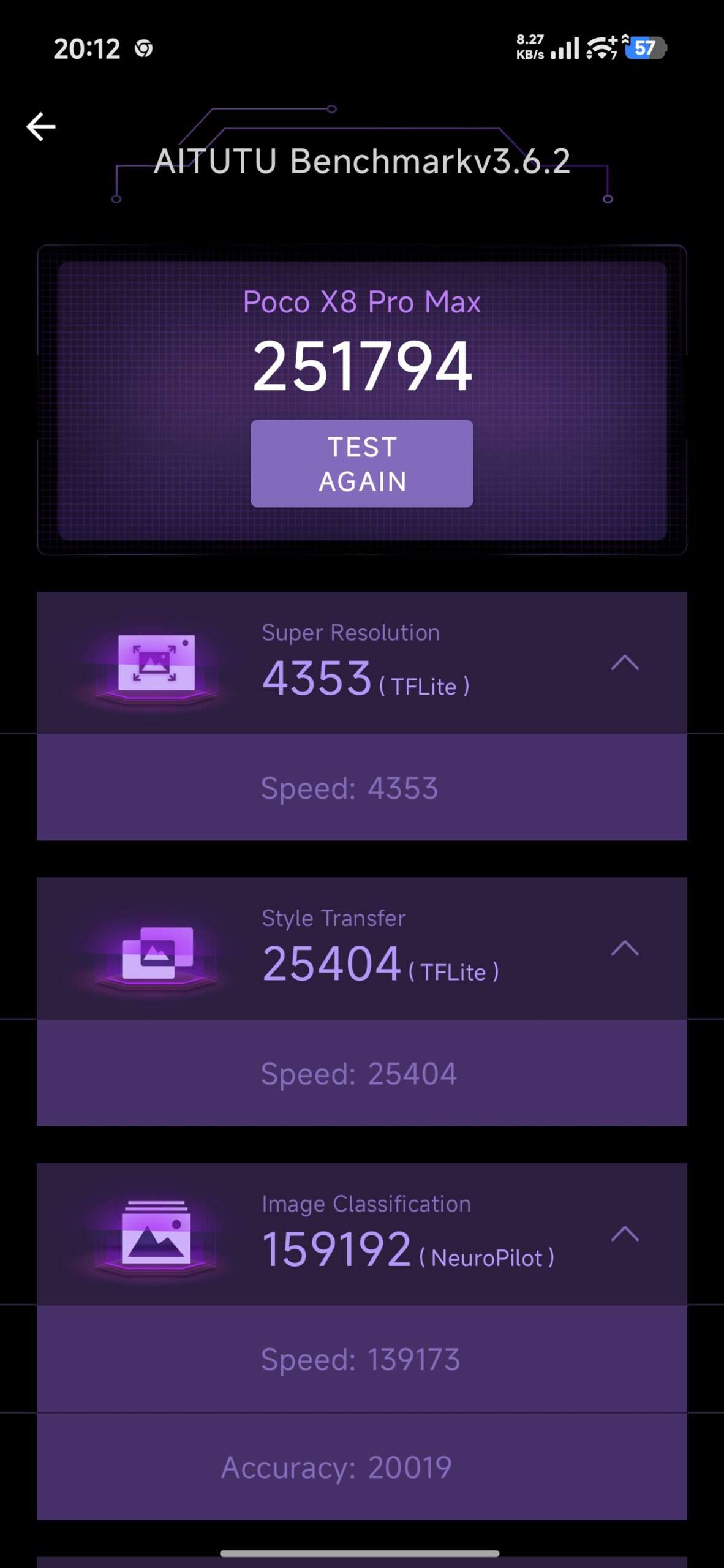
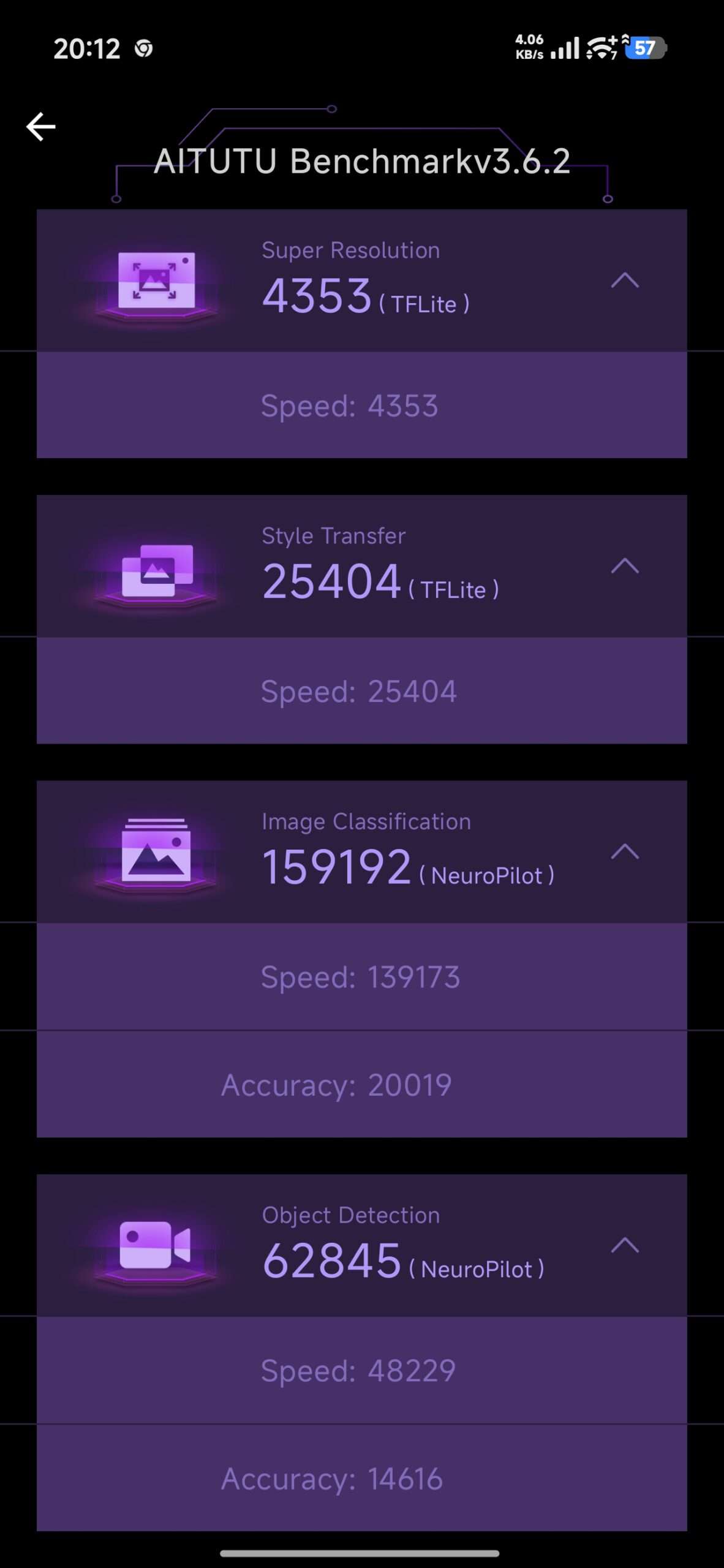
AnTuTu AI Benchmark
Supports regular AI image recognition and large model inference performance evaluation.
| Benchmark | Poco X8 Pro Max | Xiaomi 17T Pro |
| Total Score | 251794 | 73360 |
| Super Resolution | 4353 | 5839 |
| Style Transfer | 25404 | 30480 |
| Image Classification | 159132 | 24085 |
| Object Detection | 62845 | 12956 |
Notice: We are unsure why the POCO X8 Pro Max scored higher than the Xiaomi 17T Pro. To ensure the accuracy of our results, we ran the benchmark several times, and each test produced consistent scores. Despite the benchmark outcome, the Xiaomi 17T Pro clearly has the superior AI Core, offering better AI processing performance and a more capable AI experience in real-world usage.
AnTuTu Benchmark
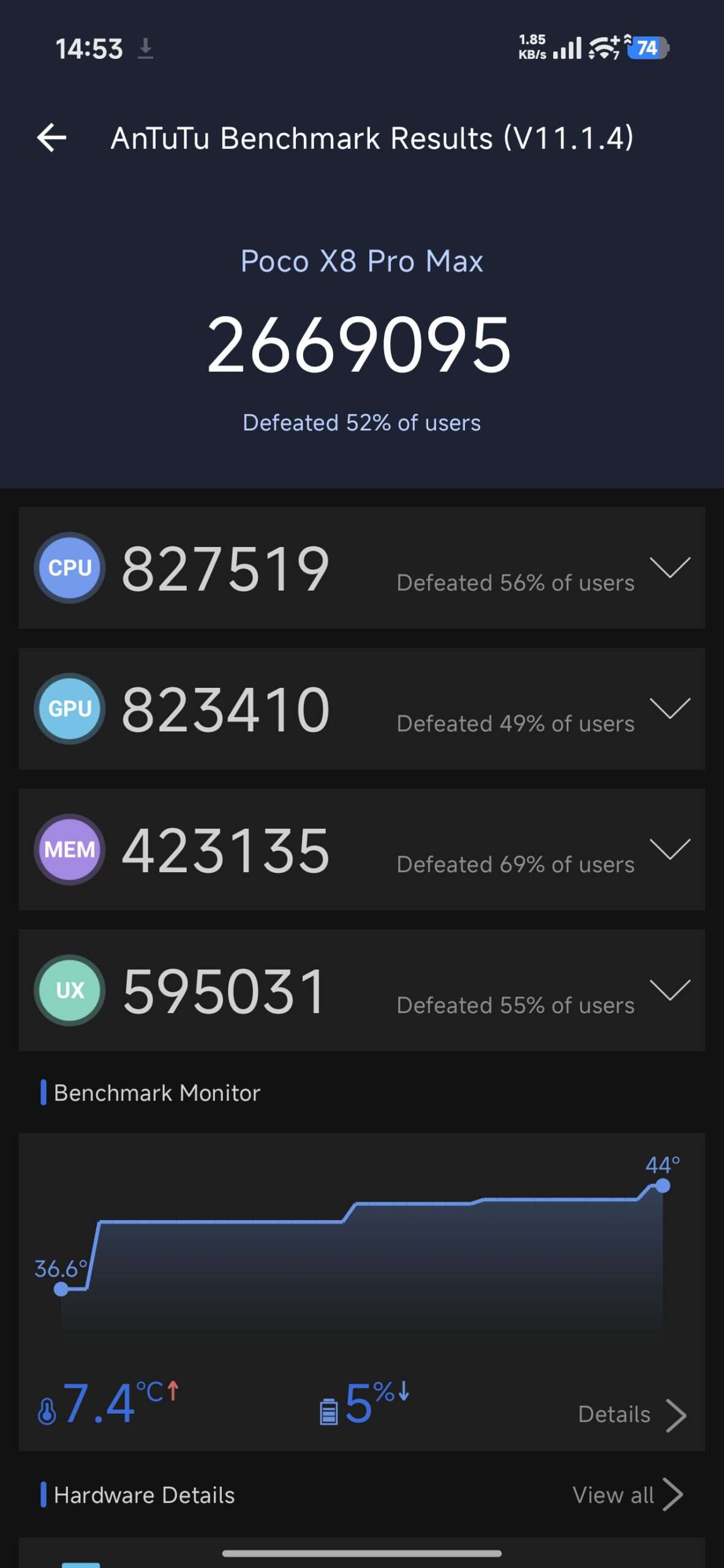
AnTuTu is a benchmarking app used to test and score the overall performance of smartphones and other devices, evaluating components like CPU, GPU, memory, and user experience (UX) through stress tests, helping users compare a phone’s raw power for tasks like gaming and multitasking, though scores should be balanced with real-world usage
| Benchmark | Poco X8 Pro Max | Xiaomi 17T Pro |
| Total Score | 2669095 | 3519684 |
| CPU | 827519 | 974838 |
| GPU | 823410 | 1327958 |
| Memory | 423135 | 468044 |
| UX | 595031 | 748844 |
GeekBench
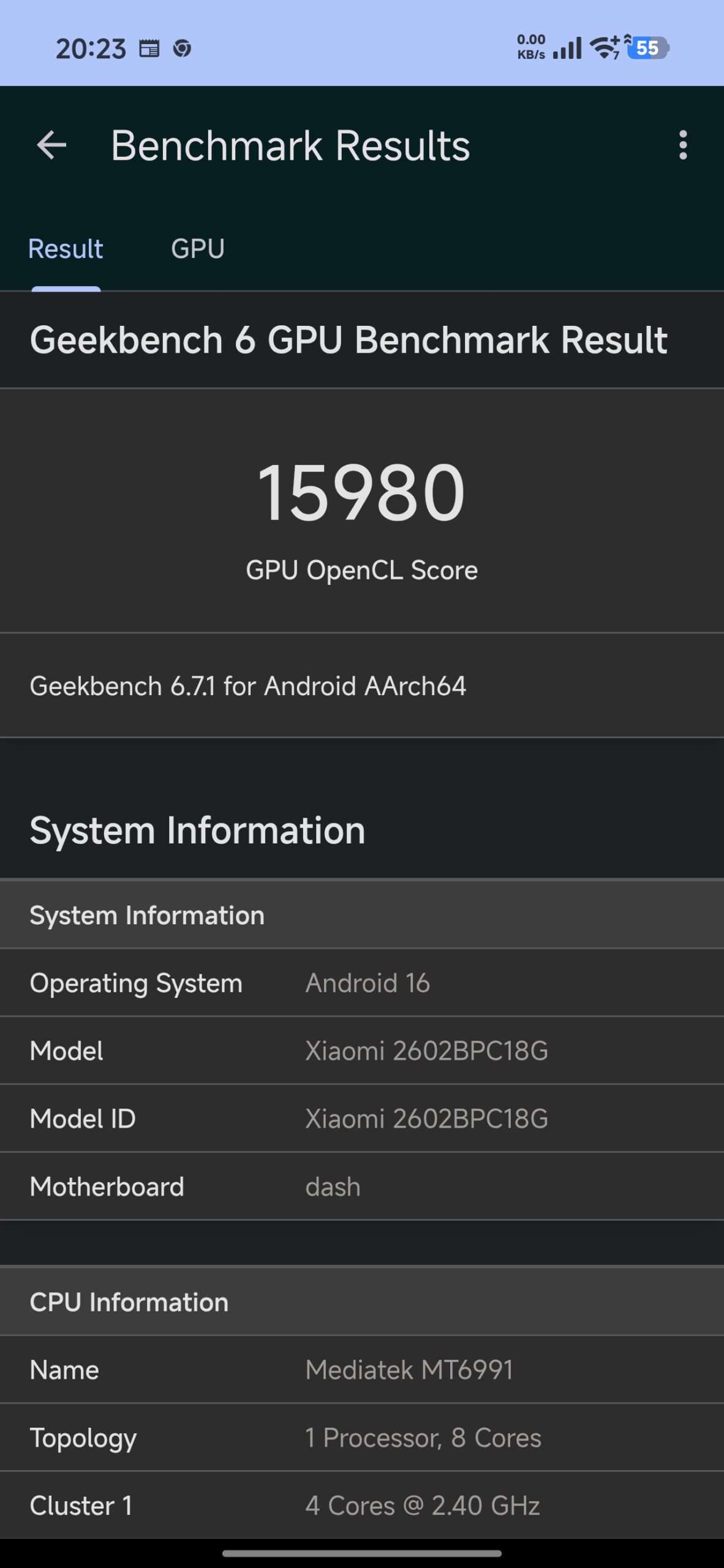
Geekbench AI is a cross-platform AI benchmark that uses real-world machine learning tasks to evaluate AI workload performance. Geekbench AI measures your CPU, GPU, and NPU to determine whether your device is ready for today’s and tomorrow’s cutting-edge machine learning applications.
| Benchmark | Poco X8 Pro Max | Xiaomi 17T Pro |
| GPU OpenCL | 15980 | 22347 |
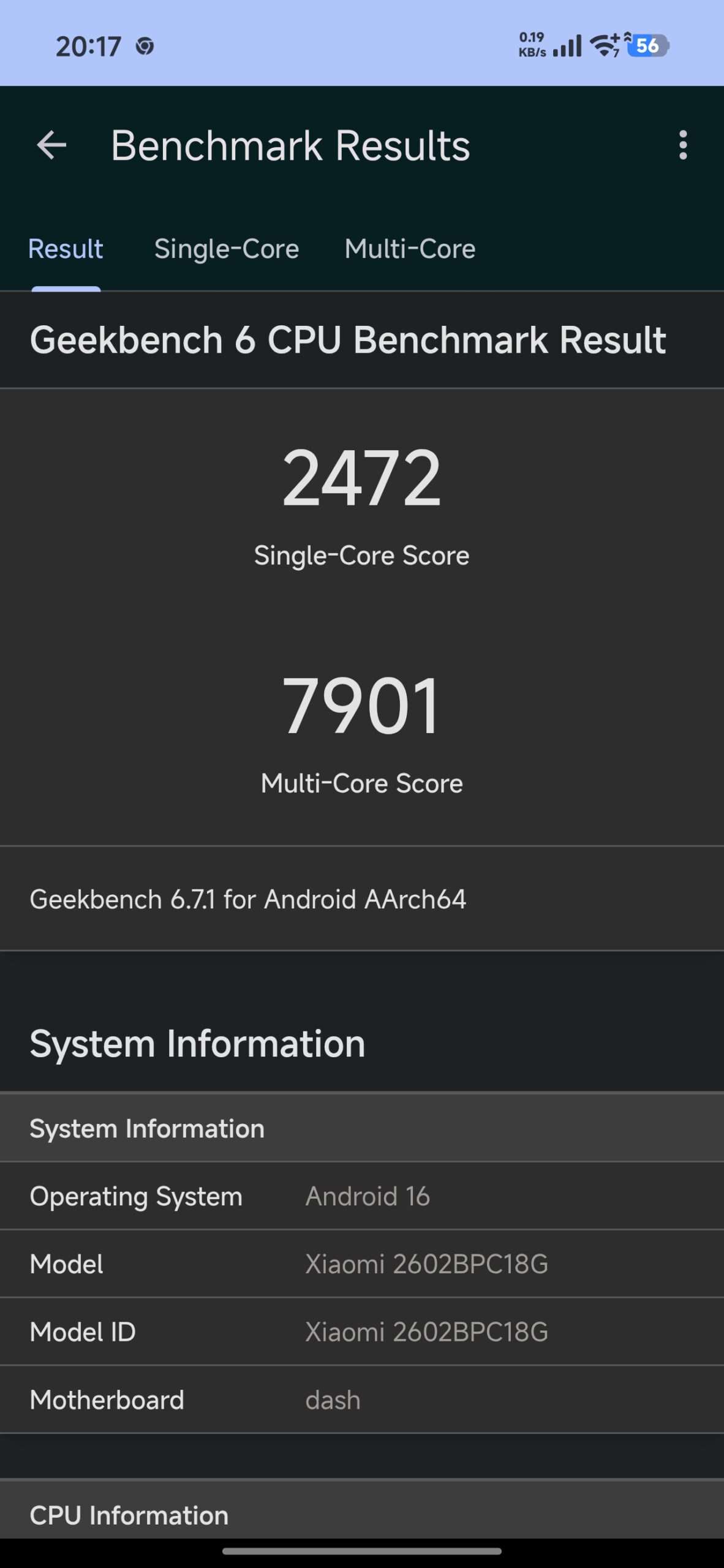
| Single Core | 2472 | 3191 |
| Multi Core | 7901 | 9964 |
Should you buy Poco X8 Pro Max?
Purchase: Official Store Click Here
The POCO X8 Pro Max successfully reinforces POCO’s long-standing philosophy of delivering flagship-inspired performance at an affordable price. Rather than competing solely on camera specifications or premium branding, POCO has focused on the features that matter most to performance-oriented users: a powerful chipset, a high-quality AMOLED display, exceptional battery life, and ultra-fast charging.
Powered by the MediaTek Dimensity 9500s, paired with LPDDR5X memory and UFS 4.1 storage, the X8 Pro Max delivers outstanding performance in everyday use, multitasking, and demanding games. Combined with its efficient cooling system, the device maintains consistent performance even during extended gaming sessions, making it one of the strongest performance-focused smartphones in its class.
The 6.83-inch CrystalRes AMOLED display is another highlight, offering a sharp 1.5K resolution, a smooth 120Hz adaptive refresh rate, excellent outdoor visibility with up to 3,500 nits peak brightness, and comprehensive HDR support including Dolby Vision. Whether gaming, streaming videos, or browsing the web, the display consistently delivers an enjoyable viewing experience.
Battery life is equally impressive. The 8,500mAh Silicon-Carbon battery easily provides all-day endurance for heavy users and can comfortably extend into a second day for moderate use. The included 100W HyperCharge (MDY-19-ER) power adapter is a welcome addition, allowing users to take full advantage of the phone’s fast-charging capability without purchasing an additional charger.
The camera system is competent rather than class-leading. The 50MP Sony LYT-600 main camera captures excellent detail, particularly in close-up and outdoor photography, while Optical Image Stabilization (OIS) contributes to sharper low-light images and steadier handheld videos. However, the default image processing favors a more natural color profile, which can sometimes make photos appear slightly muted compared with competitors that apply more aggressive color enhancement. Fortunately, users who prefer a punchier look can achieve more vibrant results by enabling AI Camera or selecting the Vivid color profile. The 2× sensor-crop zoom performs well in good lighting, though it cannot replace the flexibility and image quality of a dedicated telephoto camera.
Despite a few compromises—such as the average 8MP ultra-wide camera, USB 2.0 data speeds, and conservative color tuning—the POCO X8 Pro Max excels in the areas that define its identity. Its premium build quality, IP68 dust and water resistance, customizable RGB lighting, Wi-Fi 7 connectivity, stereo speakers, and ultrasonic in-display fingerprint sensor further strengthen the overall package.
At its price point, the POCO X8 Pro Max offers exceptional value. It is not intended to be the ultimate camera flagship, but it succeeds as a powerful all-round smartphone that prioritizes speed, endurance, and user experience. For gamers, power users, content consumers, and anyone seeking flagship-level performance without paying flagship prices, the POCO X8 Pro Max stands out as one of the best value-for-money smartphones currently available.
POCO X8 Pro Max Review: Flagship Killer
687
Pros
- Long Battery Life
- 100W charging speed
- High Performance Processor & GPU
- Excellect Display
- Best for Flagship Killer
Cons
- WIFI 7 only Dual Band
- Bloatware
- Require AI mode for Camera to maintain color tone